2026 Top Fiber Reed Stick Trends for Sustainable Crafts and Activities?
In recent years, sustainable crafting has gained significant attention. This shift reflects a broader movement towards eco-friendly practices. At the forefront of this trend are Fiber Reed Sticks. These versatile materials are not only sustainable but also promote creativity. Craftspeople are discovering innovative ways to use Fiber Reed Sticks in both artistic endeavors and functional applications.
Fiber Reed Sticks are lightweight and durable, making them ideal for various projects. They can be dyed, shaped, or woven, offering endless possibilities for artisans. The appeal lies in their natural origin, providing an eco-conscious alternative to synthetic materials. Yet, despite their benefits, crafting with Fiber Reed Sticks poses challenges. Some creators struggle with sourcing quality materials or mastering specific techniques. These hurdles encourage a community of shared knowledge and support among crafters.
As we explore the top trends for 2026, it is essential to consider both the opportunities and obstacles presented by Fiber Reed Sticks. By fostering a culture of creativity and sustainability, we can inspire a new generation of artisans committed to ethical crafting practices. This exploration invites reflection on our roles as creators in a rapidly changing world.
2026 Sustainable Craft Trends: The Rise of Fiber Reed Stick Usage
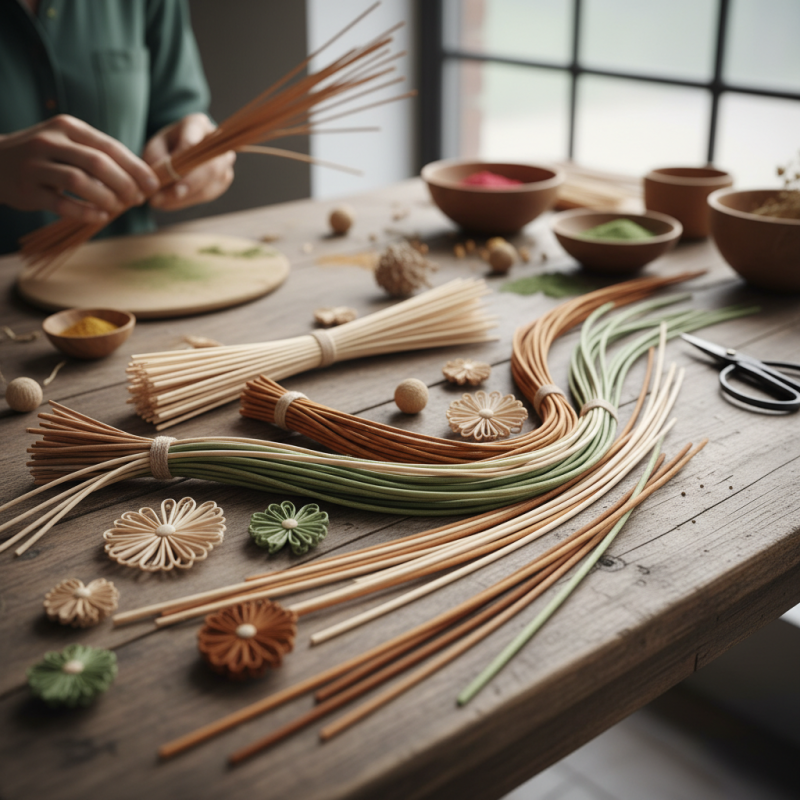
The rise of fiber reed sticks is a notable trend in sustainable crafting. These versatile materials are derived from naturally occurring plants, making them eco-friendly. Crafters appreciate their light weight and flexibility. Fiber reed sticks can be used for various projects, such as weaving baskets, creating decorations, and even building miniature structures. This practicality appeals to many artists looking for sustainable options.
However, as the trend grows, there are challenges to face. Sourcing high-quality fiber reed sticks can be difficult. Not all suppliers prioritize sustainable practices. Craft enthusiasts must be vigilant. They should seek out reliable sources that guarantee environmentally friendly harvesting techniques. Relying on questionable suppliers can undermine the sustainable nature of their crafts.
The use of fiber reed sticks also encourages creativity. These materials invite experimentation. Crafters can dye, cut, or twist them in various ways. Some may struggle with their manipulation, leading to unexpected results. This imperfection can spark innovation. It's essential to embrace the learning process. Mistakes can often lead to unique, one-of-a-kind pieces.
Understanding Fiber Reed Sticks: Composition and Environmental Benefits
Fiber reed sticks are gaining attention for their sustainability and versatility in crafts. Made from natural plant fibers, these sticks are eco-friendly alternatives to synthetic materials. The composition of fiber reed sticks typically includes reeds or grasses, making them biodegradable.
This quality significantly reduces environmental impact, as they decompose naturally, enriching the soil instead of contributing to landfill waste.
When working with fiber reed sticks, remember to consider their sourcing. Look for local suppliers who practice responsible harvesting methods. This ensures that you are supporting eco-friendly initiatives.
Experimenting with different types of reed can lead to unique textures and finishes in your projects.
For those new to using fiber reed sticks, preparation is key. Soaking the sticks in water before use can enhance their flexibility. This makes them easier to manipulate for various craft applications. Keep these tips in mind as you explore the potential of fiber reed sticks in your sustainable crafts. Engaging with these materials fosters a deeper appreciation for the ecological benefits they provide.
Market Insights: Growth Projections for Fiber Crafts in 2026
The fiber crafts market is on a remarkable growth trajectory, projected to reach $3.2 billion by 2026. According to recent industry reports, eco-friendly materials will dominate, driven by consumer demand for sustainable options. This trend presents opportunities for artisans looking to craft with fiber reed sticks. Such materials not only support sustainability but also enhance creativity in projects ranging from home decor to personal accessories.
Several factors contribute to this growth. Increased environmental awareness plays a significant role. Consumers are more inclined to choose sustainable materials. The rise of DIY culture further fuels interest in crafting with fibers. Reports indicate a 15% annual growth rate for natural fiber crafts. Tips for creators include sourcing local materials and experimenting with various textures. This approach can lead to innovative designs that resonate with eco-conscious buyers.
Embracing fiber reed sticks involves trial and error. It’s essential to experiment with different weaving techniques. Many crafters face challenges, particularly when combining materials. Documenting the process can help identify what works best. Celebrate small wins. Learning from setbacks is crucial for growth in the creative journey.
2026 Trends in Fiber Reed Stick Crafts
Innovative Applications of Fiber Reed Sticks in DIY Projects
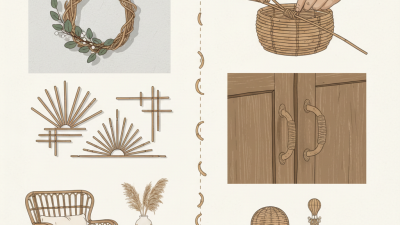
Fiber reed sticks are becoming increasingly popular in the DIY crafts community. These eco-friendly materials are perfect for various projects. Their lightweight nature allows for easy manipulation. Crafters can bend and shape them to create stunning patterns. Use reed sticks to make decorative wall hangings or unique centerpieces.
Innovative applications are everywhere. For instance, they serve as frameworks for handmade lanterns or plant holders. By combining them with natural dyes, the aesthetic appeal grows. Fiber reed sticks can also be woven into intricate baskets, showcasing craftsmanship. The texture adds depth and interest to each creation.
Some challenges exist with this material. Working with reed sticks may require patience. Their natural imperfections can affect design outcomes. It is important to embrace these flaws, as they add uniqueness. Reflecting on the crafting process can lead to unexpected creativity. In the end, fiber reed sticks offer endless opportunities for sustainable expression.
Consumer Preferences: Trends in Sustainable Craft Materials and Practices
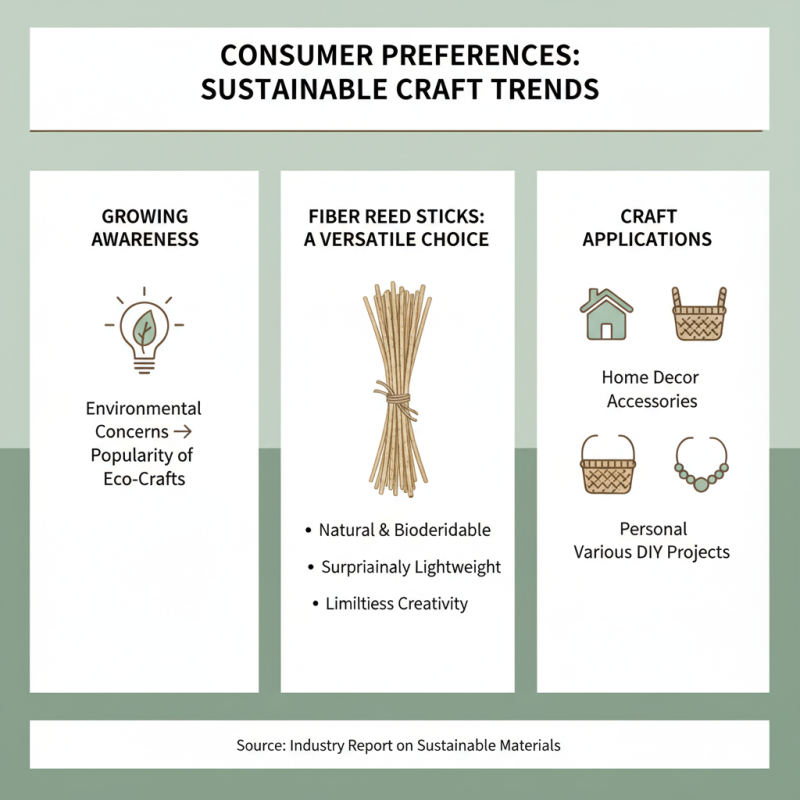
As more people become aware of environmental issues, sustainable crafting materials are gaining popularity. Fiber reed sticks stand out as a versatile choice. They are natural, biodegradable, and surprisingly lightweight, making them ideal for various crafting projects. From home decor to personal accessories, these sticks offer limitless creativity.
When looking at consumer preferences, practicality and aesthetics are key. Many crafters prioritize materials that not only look good but also contribute to sustainability. While fiber reed sticks meet these criteria, some challenges remain. Sourcing these materials sustainably can be complex. Not all suppliers adhere to eco-friendly practices, leading to concerns about genuine sustainability.
In addition, education on proper usage is vital. Many crafters may not know how to treat or assemble fiber reed sticks effectively. Workshops or online guides could bridge this gap, empowering users with the right skills. As the crafting community evolves, reflecting on these aspects ensure a responsible approach to sustainability.