What is Big Size Rattan Stick and How is it Used?
The "Big Size Rattan Stick" is gaining attention in various industries. It is a versatile tool known for its strength and flexibility. Expert Dr. Alice Thompson, a renowned specialist in natural materials, states, “The Big Size Rattan Stick exemplifies durability and adaptability, making it invaluable for craftsmen.”
This stick is used in furniture making, handicrafts, and sporting equipment. Its sturdy structure allows artisans to create beautiful yet functional products. For instance, it can be woven into chairs or used as a framework for outdoor structures. Its appeal lies in its lightweight nature, which does not compromise on performance.
However, it is important to consider sustainable sourcing. Overharvesting rattan can lead to environmental issues. Therefore, awareness and responsible practices are crucial in the industry. The "Big Size Rattan Stick" symbolizes not just utility but also a commitment to ecological balance.
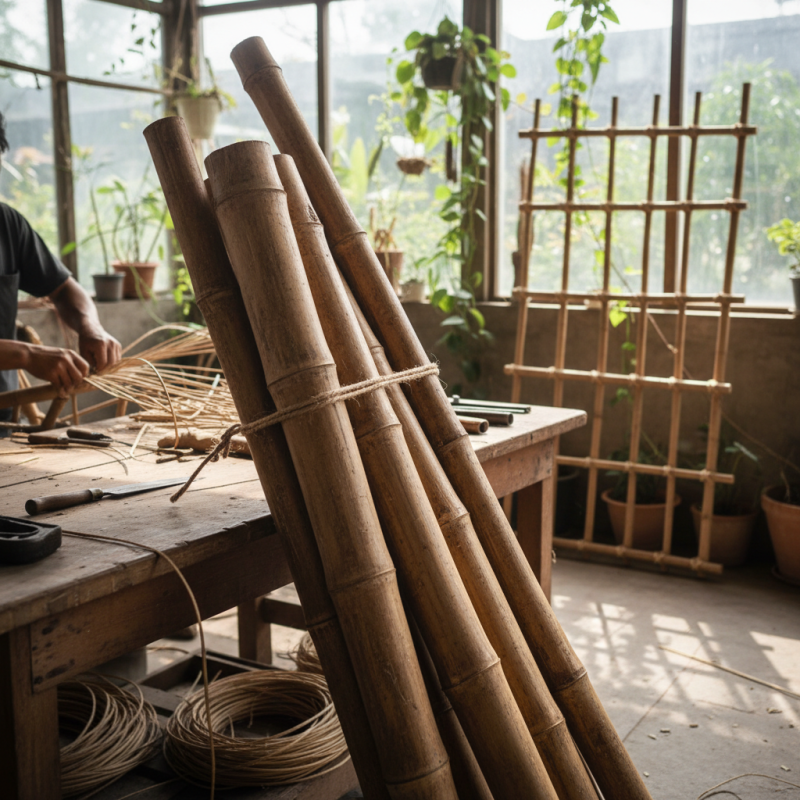
What is Big Size Rattan Stick? Definition and Characteristics
Big Size Rattan Stick is a natural material used in various applications. Its definition includes a long, flexible cane made from rattan palm. This stick has a diameter larger than the typical rattan, making it sturdy and durable. Many industries use it for crafting furniture, sports equipment, and decorative items.
The characteristics of big size rattan include its lightweight and strength. A report from the International Rattan Research and Development Center states that rattan has a tensile strength comparable to steel. Furthermore, its flexibility makes it easy to shape into different designs. In sustainability terms, rattan is a renewable resource, promoting eco-friendly practices in production.
Tips: When working with rattan, ensure proper handling to avoid splintering. Soak the stick in water to increase flexibility during shaping. This technique helps reduce the risk of cracks or breaks when bending. Also, consider observing local rattan sourcing practices to support sustainable harvesting. It's important to reflect on your methods and ensure minimal waste in your projects.
What is Big Size Rattan Stick and How is it Used?
| Characteristic |
Description |
| Definition |
A thick, flexible stick made from rattan, commonly used in various crafts and furniture. |
| Size |
Typically ranges from 1.5 to 3 cm in diameter. |
| Flexibility |
Highly flexible, allowing for various bending and shaping techniques. |
| Common Uses |
Used for making furniture, crafting, and as a binding material in various applications. |
| Durability |
Renowned for its strength and resistance to wear and tear. |
| Sustainability |
Harvested from palm trees in a manner that supports sustainable practices. |
Historical Background of Rattan Usage in Various Cultures
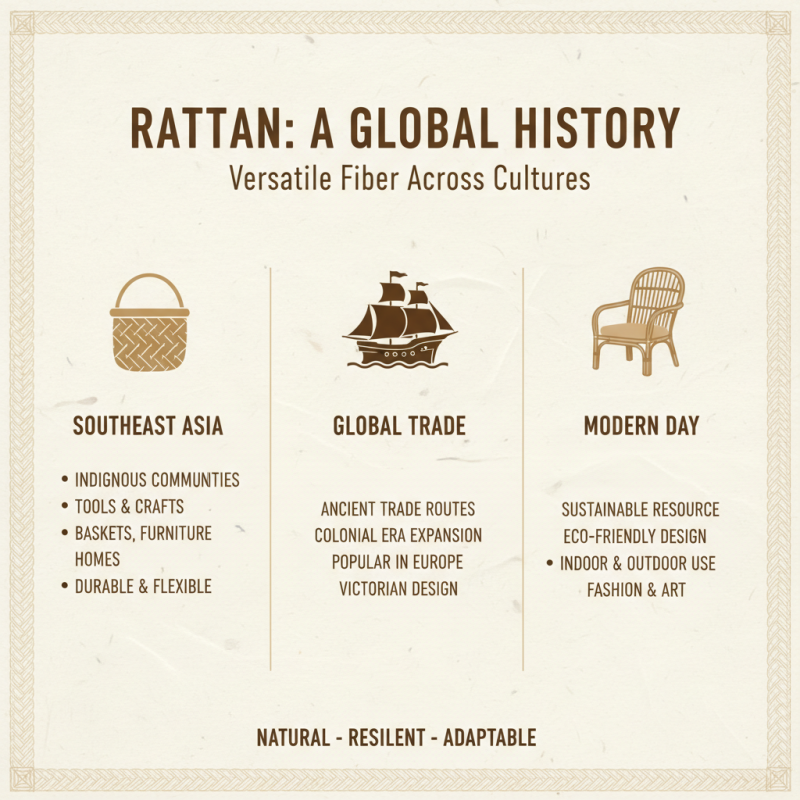
Rattan has been a vital resource in many cultures throughout history. Indigenous communities in Southeast Asia used rattan for tools and crafts. They crafted baskets, furniture, and even homes from this versatile material. As a natural fiber, rattan is durable and flexible, making it ideal for various applications.
In Africa, rattan has played a significant role in local craftsmanship. Artisans expertly weave it into intricate designs for everyday items. These creations often reflect cultural heritage. Each piece tells a story, connecting the maker to their ancestral traditions. This deep-rooted connection emphasizes the importance of sustainability in rattan harvesting.
Despite its popularity, there are challenges to rattan use. Overharvesting can deplete local resources. Communities that rely on rattan face potential loss and the economy suffers. Efforts to balance demand with conservation are crucial. Not every approach has been effective. However, increasing awareness is a step forward. Communities are learning to navigate this issue.
Common Applications of Big Size Rattan Sticks in Industries
Big size rattan sticks are versatile materials used across various industries. Their strength and flexibility make them suitable for furniture manufacturing and handicrafts. In furniture design, these sticks serve as structural elements. They add both durability and aesthetic appeal to chairs, tables, and other furnishings. Craftsmen love rattan sticks for weaving intricate patterns and designs. This adds texture and character to products.
The construction industry also finds big size rattan sticks beneficial. They are often used in temporary structures, scaffolding, and for creating supports. Rattan's lightweight nature simplifies transportation and handling. Some engineers evaluate these sticks for their load-bearing capacity. Yet, questions remain about their long-term sustainability.
In the agricultural sector, rattan sticks assist in supporting plants and vines. Farmers appreciate their natural resilience. Likewise, in the culinary world, these sticks are employed for skewers and grilling. These applications highlight rattan's multifunctionality. However, sourcing practices for rattan could raise environmental concerns. More sustainable options are needed to ensure future availability.
Market Analysis: Demand and Supply Trends for Rattan Products
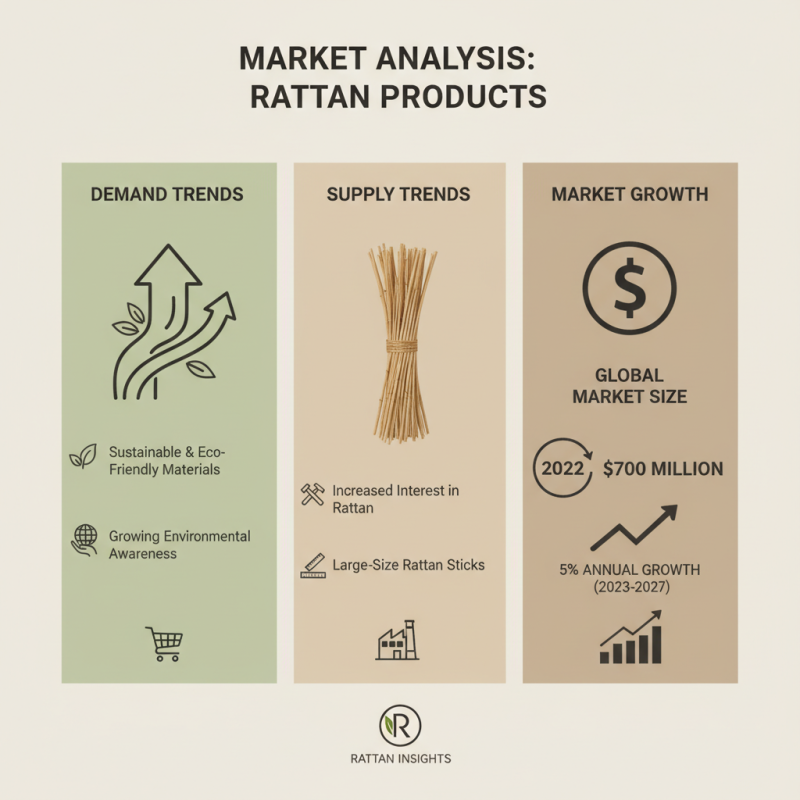
The market for rattan products, including big size rattan sticks, has shown significant growth in recent years. According to industry reports, the demand for sustainable and eco-friendly materials has led to an increased interest in rattan. The global rattan market size was valued at approximately $700 million in 2022. Projections indicate it will grow by 5% annually over the next five years. This growth correlates with an expanding awareness of environmental issues.
In terms of supply, Southeast Asia remains the primary source of rattan production. Countries like Indonesia and Malaysia export large quantities. However, environmental concerns surrounding overharvesting persist. Reports suggest that up to 30% of rattan production is unsustainable. This raises questions about the long-term viability of sourcing in these regions. Manufacturers are now exploring sustainable practices, but challenges remain. Additionally, regional trade policies and labor market fluctuations impact supply chains. This situation reflects a need for industry stakeholders to address sustainability and ethical sourcing effectively.
Sustainability and Environmental Impact of Rattan Harvesting Practices
Rattan is a vine-like palm found in tropical regions. Harvesting rattan, especially big size rattan sticks, impacts both the environment and local economies. Sustainable practices are vital. Over-harvesting can lead to deforestation and loss of biodiversity. Yet, when managed properly, rattan can be a renewable resource.
Local communities often depend on rattan harvesting for their livelihoods. Sustainable practices can empower these communities. However, challenges remain. Some harvesters may not follow guidelines, leading to environmental degradation. Education and enforcement of sustainable methods are necessary.
The balance between economic gain and environmental protection is delicate. Enhanced harvest practices should prioritize ecological integrity. Supporting local efforts can help maintain this balance. It's essential to reflect on the broader impact of our consumption choices. Sustainability in rattan harvesting is not just a trend; it's a necessity.