Top Types of Synthetic Sticks for Various Applications?
In the realm of modern manufacturing and applications, "Synthetic Sticks" are becoming increasingly essential. Industry expert Dr. Emily Carter, a leading figure in material science, has stated, “The evolution of synthetic sticks is redefining standards across various fields.” This highlights the profound impact these materials have on enhancing performance and efficiency.
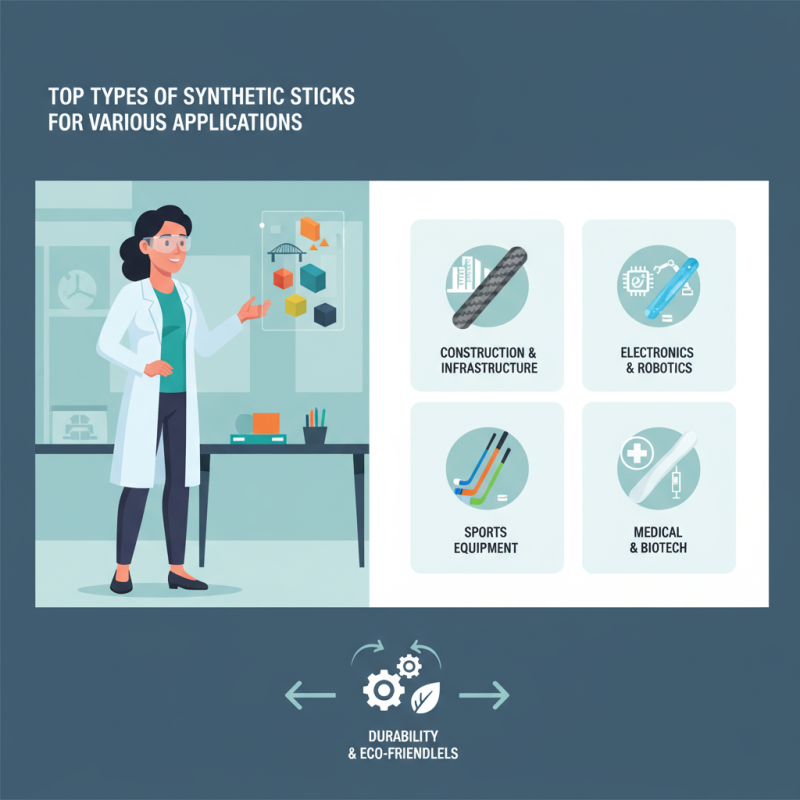
Synthetic Sticks come in various types, each tailored for specific applications. From construction to sports equipment, their versatility is astonishing. Yet, not all synthetic sticks are optimal for every task. For instance, the choice of material can significantly affect durability and usability. Users must carefully consider their needs before making a decision.
However, the rapid advancements in synthetic materials also bring challenges. With so many options, it can be overwhelming to select the right stick. Moreover, qualities like strength and flexibility can sometimes be overlooked in striving for transparency and eco-friendliness. As the industry grows, more conscious choices and innovations are needed.
Types of Synthetic Sticks: An Overview of Their Applications
Synthetic sticks have gained popularity across various industries due to their versatility. These materials are engineered for specific applications, offering unique benefits. Different types of synthetic sticks serve diverse purposes, from sports equipment to construction tools.
In sports, synthetic sticks are often used in hockey and field sports. They provide enhanced performance and durability compared to traditional materials. Players appreciate the lightweight nature, which allows for better control. Similarly, in the construction industry, these sticks are utilized for scaffolding and support structures. Their weather-resistant properties make them ideal for outdoor use. However, concerns about environmental impact arise. Manufacturers face pressure to ensure these materials are recyclable or biodegradable.
Artisans also employ synthetic sticks in crafting and modeling. These sticks can be easily shaped and painted. This adaptability fosters creativity but poses challenges regarding consistency. Not all synthetic materials behave the same way during crafting. Some may warp or not adhere well to paint. It's essential for creators to test materials before finalizing projects. Despite the advancements, imperfections in these materials remind us to keep exploring better options.
Top Types of Synthetic Sticks for Various Applications
| Type of Synthetic Stick |
Material |
Common Applications |
Advantages |
Disadvantages |
| Polyethylene Sticks |
PE |
Packaging, Protective Packaging |
Lightweight, Durable |
Limited strength at high temperatures |
| Polypropylene Sticks |
PP |
Automotive components, Household products |
Chemical resistance, High tensile strength |
Can be brittle at low temperatures |
| Nylon Sticks |
Nylon |
Industrial applications, Mechanical parts |
High strength, Excellent wear resistance |
Absorbs moisture, which can affect dimensional stability |
| Fiberglass Sticks |
Fiberglass |
Fishing rods, Sporting goods |
Lightweight, High strength-to-weight ratio |
Can be more expensive than other materials |
| Carbon Fiber Sticks |
Carbon Fiber |
Aerospace applications, High-performance sports equipment |
Superior strength and stiffness, Lightweight |
High cost, Difficult to repair |
Properties of Synthetic Sticks for Different Industries
Synthetic sticks play a crucial role in numerous industries due to their versatile properties. These sticks are made from various materials, offering unique advantages tailored to specific applications. According to a report by the Synthetic Materials Association, the market for synthetic sticks is expected to surpass $3 billion by 2026, highlighting their growing importance.
In the aerospace industry, lightweight synthetic sticks are favored for their strength and durability. Composites, such as carbon fiber, are common for creating high-performance components. These materials can withstand extreme conditions, yet they are surprisingly light. This balance enhances fuel efficiency in aircraft. Similarly, in the medical field, synthetic sticks made from biocompatible materials are vital. They are safe for medical devices, ensuring they meet strict health standards. Studies indicate that materials like polypropylene gained a 15% market share due to their reliability in surgical applications.
However, it's essential to acknowledge the potential downsides of synthetic materials. Their production can sometimes result in environmental concerns. Some synthetic sticks may not decompose easily. Additionally, while their properties are often superior, they may not always be the best choice for every application. An industry survey noted that 25% of users found some synthetic sticks to have limited performance in high-temperature environments. Balancing functionality and environmental impact remains a critical contemplation for many engineers today.
Common Materials Used in Synthetic Stick Production
Synthetic sticks are essential in various industries. The production of these sticks involves several materials. Each material has unique properties and applications. This diversity allows for customization based on specific needs.
Commonly used materials include fiberglass, carbon fiber, and thermoplastics. Fiberglass is durable and lightweight. It's often used in fishing rods and hiking poles. Carbon fiber offers superior strength. This makes it ideal for sports equipment and aerospace components. Thermoplastics are versatile and can be molded easily. They are frequently used in medical devices and consumer products.
Tips for choosing the right material: consider the application first. Think about strength requirements, weight, and flexibility. Each project may demand different characteristics. Don't rush your decision. Testing prototypes can reveal hidden flaws. Inconsistent performance is a concern in this field, so thorough evaluation is necessary. Always stay informed on new developments. Innovations may offer better options.
Top Types of Synthetic Sticks for Various Applications
Application Areas: Sports, Art, and Industrial Uses
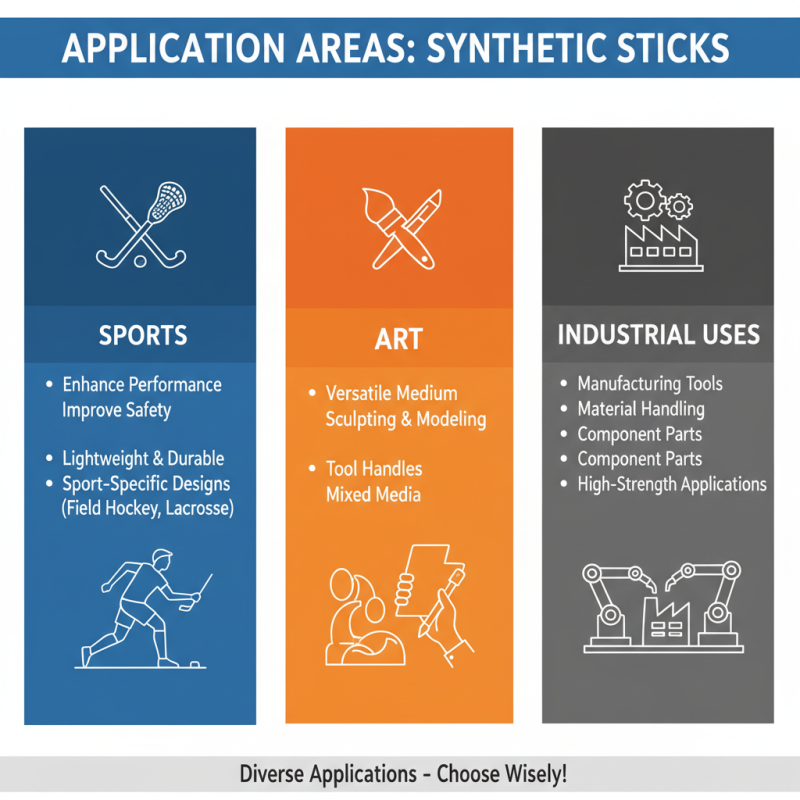
Synthetic sticks have become essential tools across various fields, including sports, art, and industrial applications. In sports, using the right type of synthetic stick can enhance performance and improve safety. For example, specific sticks are designed for activities like field hockey or lacrosse, featuring lightweight yet durable materials. These sticks provide athletes with the agility they need while ensuring lasting performance. However, not every synthetic stick serves all sports, making it vital to choose wisely.
In the realm of art, synthetic sticks play a fascinating role. Artists use them for mixed media projects, often appreciating the versatility of materials like acrylic or polyester. These sticks allow for innovative techniques, offering texture and effects that traditional tools cannot achieve. Yet, the challenge lies in understanding how each material interacts with different mediums. Artists might find that one type works well for painting but not for sculpture.
Industrially, synthetic sticks are indispensable for tasks like assembly or finishing. Often made from materials that resist heat and chemicals, they offer long-lasting strength. However, industries must remain cautious, as choosing the wrong material can lead to product failures or safety hazards. Balancing functionality with reliability requires in-depth knowledge and experience. This complexity highlights the importance of continuous learning in selecting the right synthetic stick for every application.
Advantages of Using Synthetic Sticks Over Natural Alternatives
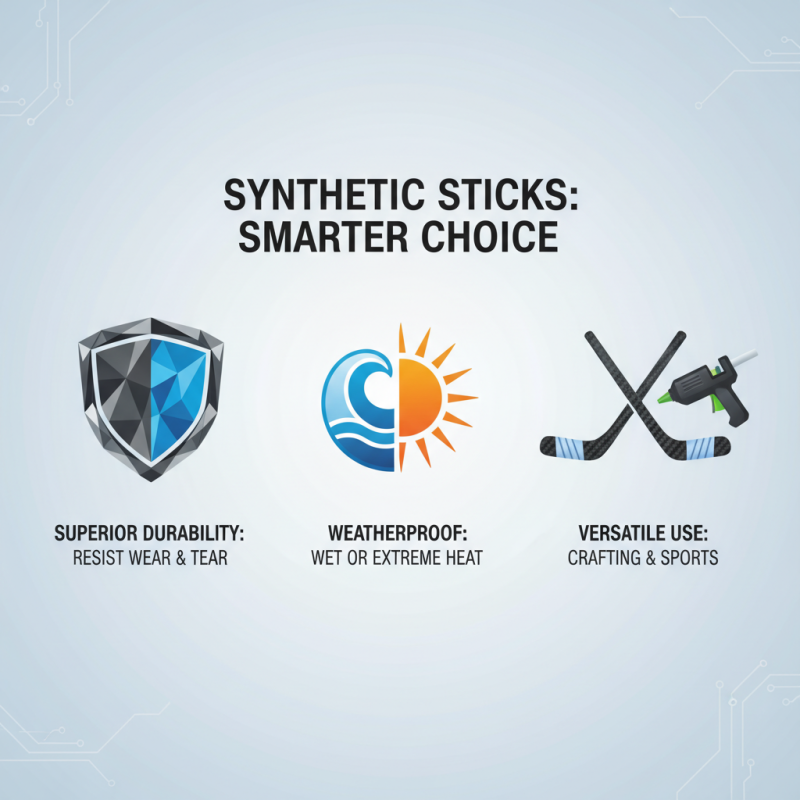
Synthetic sticks have gained popularity across various applications, offering several advantages over their natural counterparts. One key benefit is durability. Unlike natural sticks, synthetic options resist wear and tear. They perform well in different environments, from wet conditions to extreme heat. This makes them an ideal choice for consistent use in activities like crafting or outdoor sports.
Another major advantage lies in customization. Synthetic sticks can be engineered to fit specific needs. Various materials allow for tailored flexibility, weight, and grip. For instance, some synthetic formulations mimic the feel of wood, while others boast enhanced strength. This versatility is crucial for professionals who require reliable equipment. However, finding the right synthetic option may require trial and error, reflecting the ongoing need for improvement in materials and design.
Environmental concerns also play a role. Some synthetic options can be more sustainable than natural alternatives when produced responsibly. Nevertheless, the debate continues about the long-term impacts on ecosystems. Users are encouraged to weigh these factors carefully. Exploring the balance between performance and environmental stewardship remains vital for informed choices.