Leave Your Message
Choosing a Rattan Stick Diffuser supplier is not just a search for attractive packaging. Buyers need to assess reed consistency, fragrance options, glass quality, production capacity, and communication. A sample may look elegant on a desk, yet perform poorly if its reeds draw unevenly or its scent fades too quickly. Small details matter.
This guide compares suppliers through practical questions: Can they explain their materials? Do they provide clear sample and customization details? Are lead times and quality checks communicated consistently? No supplier should be ranked on polished product photos alone. Ask for samples, inspect the finish, and test how the fragrance travels in a real room. There is no perfect shortlist.
A note on expertise: no verified interview or source was provided for a named Rattan Stick Diffuser industry expert, so attributing a quotation here would risk inventing one. Before publication, add a checked comment from a real supplier or product-development specialist. That extra step is less flashy, perhaps, but more trustworthy. The sections ahead offer a grounded way to compare China-based suppliers and identify the right fit for your market, budget, and product standards.
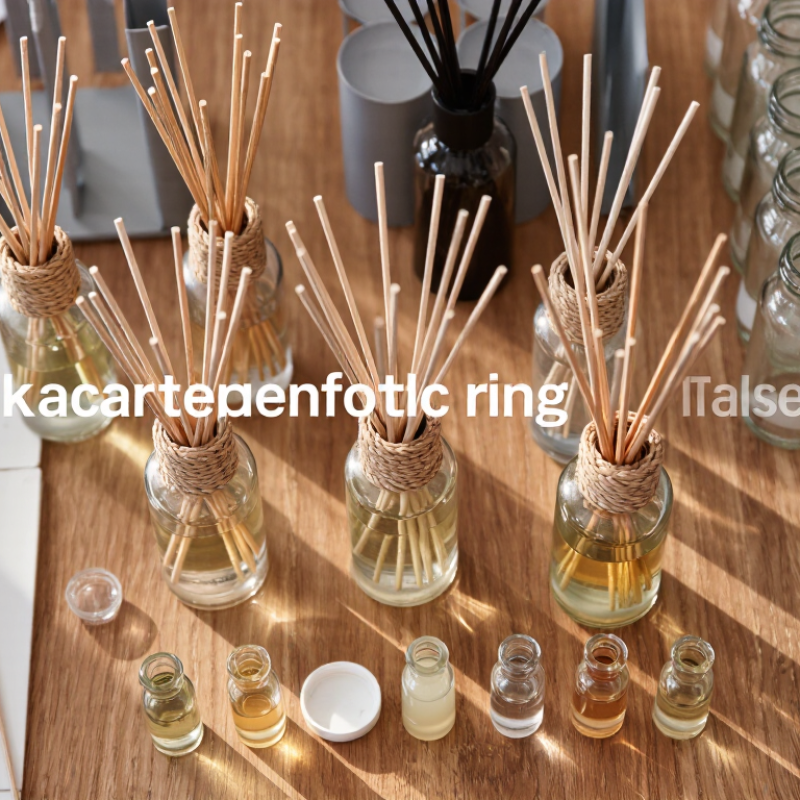
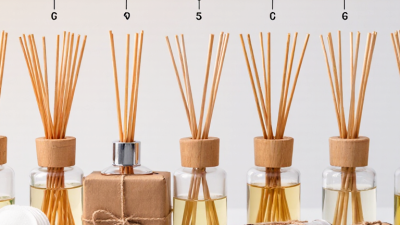
A rattan stick diffuser carries fragrance from a bottle into a room without heat or a flame. Its porous reeds draw scented liquid upward through tiny channels, then release aroma into the surrounding air. The bottle holds the fragrance mixture, while the sticks provide a steady path for evaporation. Fewer sticks usually mean a gentler scent; adding more can increase its strength.
Making the sticks starts with selecting suitable rattan canes. Workers remove the outer layer, split or shape the material, then dry and cut it to a consistent length. Clean, straight sticks are easier to pack and use. That matters. A supplier may also check diameter, moisture, and absorption, since these can affect how evenly the reeds draw liquid. A neat surface is not enough; a stick can look sound yet diffuse unevenly. Testing samples with the intended fragrance mixture offers a more useful check. Natural rattan can vary from batch to batch, so perfect uniformity is not always realistic. Buyers should ask about sizing, drying, and sample testing before placing a large order.
| Topic | Factual overview | What to check when sourcing |
|---|---|---|
| What a rattan stick diffuser is | A passive fragrance diffuser that uses porous rattan reeds to draw liquid fragrance upward and release its volatile components into the air. | Confirm that the sticks are intended for reed diffusers and are compatible with the fragrance base being used. |
| Rattan material | Rattan comes from climbing palms. Its porous structure allows liquid to travel along the stick; natural material can vary in color, diameter, and appearance. | Ask about material consistency, visible defects, moisture condition, and how natural variation is handled during sorting. |
| How fragrance is released | Fragrance moves through the reed by capillary action and evaporates from the exposed surface. Air movement, room conditions, liquid formulation, and the number of reeds can affect scent output and consumption. | Test the sticks with the intended liquid. Do not compare performance using different formulas or room conditions. |
| Typical manufacturing stages | Production commonly involves selecting suitable rattan, cutting it to length, drying or conditioning it as needed, sorting, and packing. Exact processes vary by manufacturer and product specification. | Request a process description, agreed dimensions, inspection criteria, and confirmation that the production sample matches the bulk specification. |
| Dimensions and appearance | Reed length and diameter are specified for the intended bottle and product design. Color and surface appearance may differ between natural batches. | Specify length, diameter, tolerance, color expectations, end finish, and acceptable natural variation in writing. |
| Rattan versus fiber reeds | Rattan reeds are natural plant material. Fiber reeds are manufactured from fibers and may offer a more uniform appearance. Their performance depends on material construction and liquid compatibility. | Confirm which material is being quoted; do not treat natural rattan and engineered fiber reeds as interchangeable without testing. |
| Performance testing | A practical evaluation uses the same fragrance liquid, bottle, reed count, and test environment for each sample. Results can include wetting behavior, scent release, and liquid consumption over time. | Agree on a repeatable test method and evaluate pre-production samples before placing a larger order. |
| Supplier evaluation | Supplier suitability depends on whether the supplier can meet the required material, dimensions, packaging, quality controls, order quantity, and delivery requirements. | Compare documented specifications, sample consistency, inspection practices, traceability information, lead time, and packaging options rather than relying on an unsupported ranking. |
| Storage and handling | Unused reeds should be kept clean and dry and protected from strong odors, moisture, and contamination that could affect their condition or fragrance performance. | Check that packaging protects the sticks during transport and keeps them separate from scented or contaminating materials. |