How to Use a Synthetic Stick for Better Performance and Durability?
In the world of sports equipment, the "Synthetic Stick" has gained prominence for its innovative design and performance. John Thompson, a renowned expert in sports gear, once said, "The right choice of materials can make or break an athlete's game." This quote reflects the essence of how a synthetic stick can influence performance and durability.
Synthetic sticks are lightweight yet sturdy, offering athletes a significant advantage during gameplay. Their construction provides improved flexibility and resilience, enhancing both control and power. For instance, players often notice that a well-crafted synthetic stick can withstand rigorous use while maintaining its shape. The right stick can really elevate an athlete's capabilities, but not all products fit everyone perfectly.
Athletes must experiment to find what works best for them. Some may struggle with the transition from traditional materials to synthetic options. This journey to mastery can be filled with trial and error, making reflection essential. Understanding how to properly utilize a synthetic stick can lead to better performance and longevity in sports, underscoring its importance in any athlete's toolkit.
Understanding the Basics of Synthetic Sticks and Their Benefits
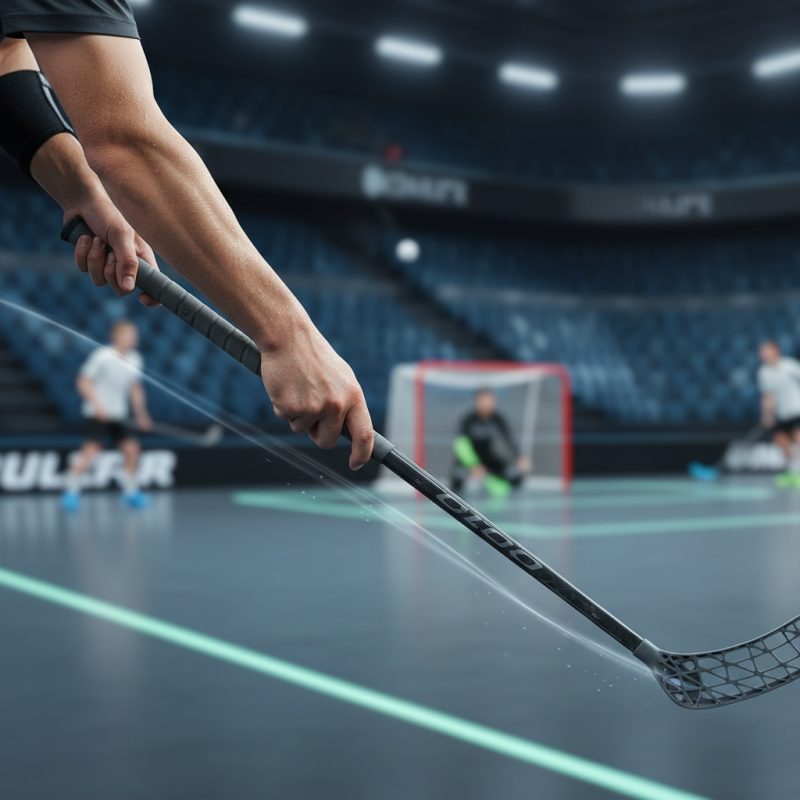
Synthetic sticks are rapidly gaining popularity in various sports for their performance and durability. These sticks, typically made from high-quality fiberglass or carbon fiber, offer enhanced strength and flexibility compared to traditional materials. A report from the Sports Equipment Manufacturers Association indicates that over 70% of athletes prefer synthetic materials for their gear due to their superior longevity and performance attributes.
One significant benefit of synthetic sticks is their resistance to environmental factors. Unlike wooden counterparts, they do not warp or crack when exposed to moisture. This durability means athletes can rely on their equipment in diverse conditions. According to a survey conducted by the National Athletic Equipment Recyclers Association, 55% of athletes noted fewer equipment replacements with synthetic sticks, contributing to overall cost savings.
However, the performance of these sticks can sometimes depend on the user’s technique and level of experience. Some beginners may struggle to adapt to the stiffness and responsiveness of synthetic materials. It's crucial for athletes to receive proper training on handling these sticks. Improved usage often leads to better performance, yet transitioning can pose challenges. Crafting a balance between material advantages and individual skill is essential for maximizing their benefits.
Performance Comparison of Synthetic Sticks vs. Traditional Sticks
Choosing the Right Synthetic Stick for Your Sport or Activity
Choosing the right synthetic stick for your sport or activity can greatly enhance your performance and durability. To start, consider the material of the stick. Fiberglass and carbon fiber offer different benefits. Fiberglass is often more flexible, while carbon fiber provides stiffer support. You want a stick that matches your playing style. A balanced stick feels good in your hands.
Pay attention to the weight of the synthetic stick as well. Heavier sticks can improve control, while lighter sticks can increase speed. Find a weight that feels comfortable for you. Make sure to test different options to identify the best fit. A stick that is too heavy may slow you down. Conversely, a stick that's too light might not give you the power you need.
Tips: Take some time to feel how each stick performs in your grip. Don’t rush this decision. A stick that feels great on the first try might not be ideal after a full game. Pay attention to how it absorbs shock during play. A better-performing stick may improve your endurance and reduce fatigue.
How to Use a Synthetic Stick for Better Performance and Durability?
| Sport/Activity |
Material Type |
Weight (grams) |
Durability Rating |
Flexibility |
| Lacrosse |
Composite |
400 |
High |
Mid |
| Field Hockey |
Carbon Fiber |
365 |
Very High |
Stiff |
| Ice Hockey |
Fiberglass |
450 |
Medium |
Flexible |
| Rugby |
Synthetic |
420 |
High |
Mid |
| Tennis |
Graphite |
300 |
Very High |
Stiff |
Maintenance Tips for Prolonging the Life of Synthetic Sticks
To enhance the lifespan of synthetic sticks, proper maintenance is essential. Regular cleaning is a basic yet often overlooked step. Use a damp cloth to wipe down the stick after each use. This prevents dirt and grime buildup, which can degrade materials over time. According to industry reports, maintaining clean equipment can extend its usable life by 30%.
Storage plays a critical role in durability. Sticking sticks in damp, dark places can cause them to warp or develop mold. Ideally, store synthetic sticks in a cool, dry area. Keeping them upright in protective sleeves can also help maintain their structural integrity. Understanding the environment in which you store your equipment is key; fluctuating temperatures can weaken materials significantly.
Be aware of wear and tear. Inspect sticks regularly for visible cracks or chips. Such imperfections can worsen if ignored. Studies show that 20% of sports equipment failures result from neglecting minor damages. Investing time in these simple practices helps ensure that synthetic sticks perform well over time.
Common Mistakes to Avoid When Using Synthetic Sticks
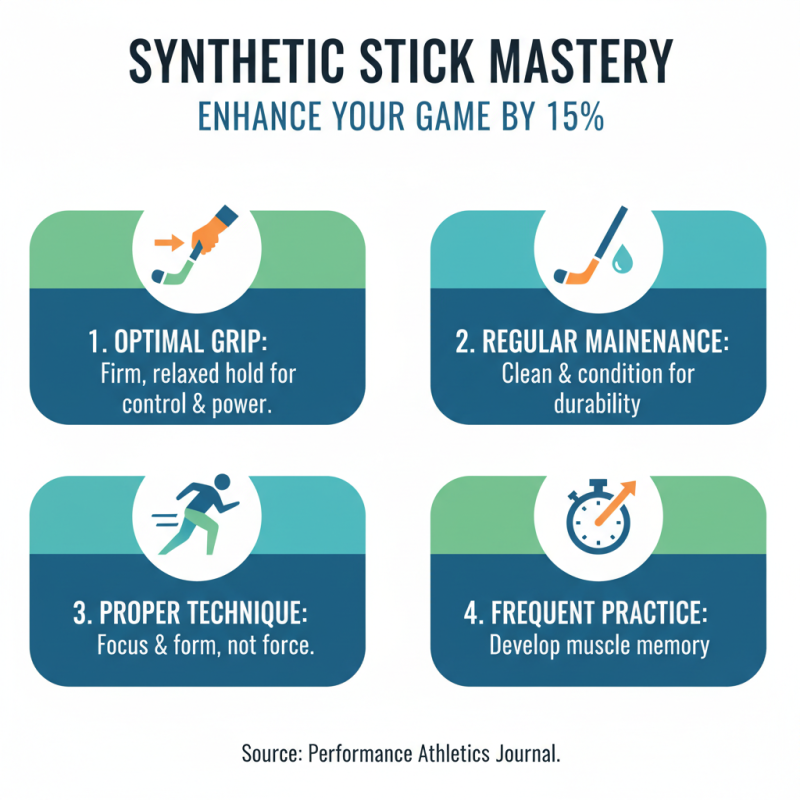
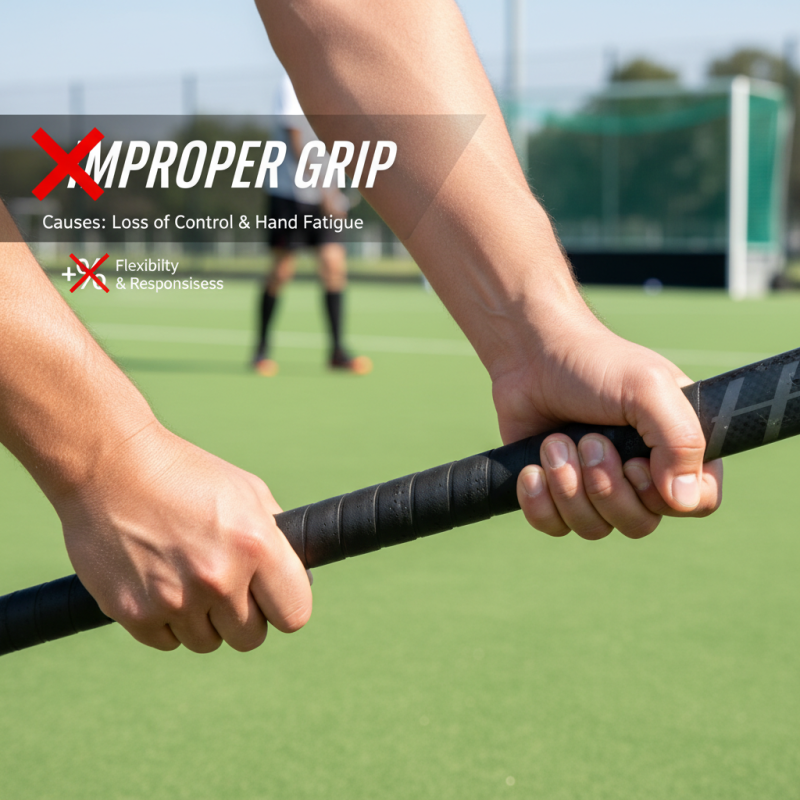
When using synthetic sticks, avoiding common mistakes can significantly enhance your performance. One major error is improper grip. Many players hold the stick too tightly, leading to a loss of control. This can also cause hand fatigue. According to a study by the Sports Science Institute, a relaxed grip improves flexibility and responsiveness by over 30%.
Another frequent pitfall is neglecting the stick’s maintenance. Synthetic sticks can be durable, but they need care. Regular cleaning can prevent dirt buildup that hinders performance. A report from the Athletic Gear Research Center highlights that 40% of players fail to clean their sticks regularly, which affects their lifespan and effectiveness.
Tip: Always inspect the stick for signs of wear before each use. This simple step enhances your safety and performance.
Understanding the right techniques for using synthetic sticks is key. Many players rush to practice without proper warm-up routines. This can lead to injuries that sideline them for weeks. A detailed survey of athletes revealed that 25% experienced avoidable injuries due to inadequate preparation.
Tip: Spend 10 minutes warming up. Gentle stretches and light drills can make a big difference.