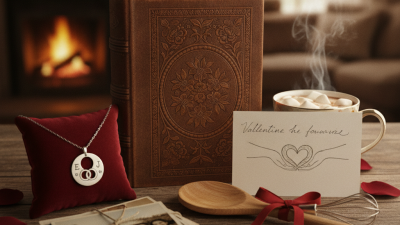
Valentine’s Day gifting can feel surprisingly difficult, even when you know someone well. A thoughtful Valentines Day Gift does not need to be expensive or dramatic. It should show attention to the person’s habits, preferences, and everyday life. Does your partner enjoy quiet evenings, fresh flowers, useful objects, or shared experiences? Small details matter. A favorite tea, a paperback by a loved author, or a handwritten note can feel more personal than a costly surprise. Still, a gift can miss the mark. People change, and old assumptions do not always fit.
These 15 Valentines Day Gift tips for 2026 focus on practical choices, personal meaning, and considerate planning. They can help you set a budget, compare options, choose a suitable experience, and avoid last-minute delivery stress. Check sizing, dietary needs, accessibility, and return policies before you buy. For handmade or customized items, allow extra time and confirm spelling or design details. A polished presentation helps, but the gift itself should suit the recipient rather than follow a trend. There is no perfect formula. A sincere conversation may reveal more than guessing, though asking directly can take some of the surprise away. Use these ideas as a starting point, then adapt them to your relationship and what you genuinely know about the person.

15 Valentines Day Gift Tips for 2026
Set a 2026 Budget Against NRF’s $27.5B 2025 Valentine’s Forecast
NRF’s 2025 Valentine’s Day forecast put U.S. spending at $27.5 billion. That number describes expected spending across many consumers, not a target for every couple. Treat it as context, not pressure. Before shopping for 2026, choose a total you can afford without borrowing or skipping regular bills. A budget works best when it feels realistic, even if the number seems modest.
Tip: Set a firm cap, then divide it into gift, meal, and delivery costs. Keep a small cushion for tax or a last-minute card. For example, a $60 budget might leave $40 for a present, $15 for dinner, and $5 for extras. Prices vary, so check them before deciding. I sometimes underestimate the little costs. That part deserves a second look.
Tip: Choose one thoughtful detail instead of several expensive items. A handwritten note beside a favorite snack, or a planned walk with warm drinks, can feel personal without stretching your budget. If you share expenses, agree on a range early. If you are shopping for someone new, keep the gesture simple and considerate. The forecast is national; your plans should fit your own finances and relationship.
Estimated U.S. Valentine’s Day spending reached a projected $27.5 billion in 2025. This national forecast is not a recommended personal budget—choose a spending limit that fits your own plans and finances.
15 Valentines Day Gift Tips for 2026
The National Retail Federation forecast that Americans would spend $14.6 billion on gifts for spouses and significant others in 2025. That figure is a useful benchmark, not a spending target for every couple. For 2026, start with the recipient, your budget, and what would feel personal to them. A handwritten note beside a favorite snack can mean more than an expensive surprise. Keep the receipt, too. Preferences change.
Tips: For a partner, choose something tied to a shared routine, such as a framed photo from a weekend trip or a planned dinner at home. For someone who values practical gifts, consider an item they have mentioned needing. Ask a gentle question if you are unsure; guessing can miss the mark. Set a firm budget before browsing, and compare the total cost, including delivery.
A thoughtful gift does not need a dramatic reveal. Pay attention to details: a preferred tea, a book they paused to admire, or time together without phones. Avoid treating NRF’s forecast as proof that bigger spending shows deeper affection. Honestly, gift planning can still feel awkward. That is normal. A short message explaining why you chose the gift can make even a modest gesture feel considered.
Use these recipient-focused ideas to plan a thoughtful gift. For context, the National Retail Federation’s 2025 Valentine’s Day survey forecast $14.6 billion in spending on gifts for significant others. The suggested budgets below are planning ranges, not reported average prices.
| # | Recipient | Gift idea | Suggested budget (USD) | Personalization tip | Planning tip |
|---|---|---|---|---|---|
| 1 | Partner | A handwritten letter paired with a favorite treat | $15–$40 | Mention a specific memory or something you appreciate about them. | Choose a treat that suits their preferences and dietary needs. |
| 2 | Partner | A planned date night at home | $30–$100 | Build the evening around a meal, film, or activity you both enjoy. | Make the plan together if schedules or tastes are uncertain. |
| 3 | Partner | A framed photo or small photo book | $20–$80 | Select pictures tied to shared moments rather than simply choosing the newest ones. | Allow time for printing and delivery. |
| 4 | Partner | A class or activity to enjoy together | $40–$150 | Pick something connected to a shared interest or one you have wanted to try. | Check the booking date, location, and cancellation terms. |
| 5 | Partner | A practical upgrade to an everyday item | $25–$120 | Choose a color, material, or feature they have already said they like. | Check sizing and return options before purchasing. |
| 6 | Close friend | A shared outing, such as a museum visit or picnic | $20–$80 | Add a note explaining why you value the friendship. | Offer a few possible dates to make scheduling easier. |
| 7 | Close friend | A small self-care bundle | $20–$60 | Include items suited to their routine and sensitivities. | Check ingredient lists if you are choosing scented or skincare items. |
| 8 | Parent or guardian | A family recipe, handwritten and framed | $15–$50 | Add the recipe’s story or the person who first made it. | Use a copy if the original recipe card is fragile or valuable. |
| 9 | Parent or guardian | A meal together or a home-cooked dinner | $25–$100 | Choose a menu connected to a family favorite. | Confirm dietary requirements and preferred timing. |
| 10 | Sibling | A book, game, or hobby accessory | $15–$70 | Choose something related to a hobby they actively enjoy. | Check what they already own before buying hobby supplies. |
| 11 | Child | A craft kit or creative activity | $10–$40 | Select a project suited to the child’s interests and abilities. | Check age guidance and whether adult help is needed. |
| 12 | Teacher | A sincere thank-you card | $5–$20 | Include a specific example of how they helped or encouraged you. | Follow school policies on gifts and acceptable spending. |
| 13 | Coworker | A shareable snack or a simple card | $5–$25 | Keep the message warm, professional, and inclusive. | Check workplace norms and consider common dietary needs. |
| 14 | Pet | A new toy or enrichment activity | $8–$35 | Choose based on the pet’s size, play style, and usual interests. | Check materials and supervise use, especially with new toys. |
| 15 | Neighbor or host | A small plant or homemade treat | $10–$35 | Add a short note thanking them for a recent kindness or invitation. | Check for food allergies and whether the plant is suitable for their home. |
Source note: The $14.6 billion figure refers to the National Retail Federation’s 2025 forecast for spending on significant others; it is not a 2026 forecast. Gift ideas and budget ranges are editorial suggestions.
Valentine’s Day gifts feel thoughtful when they reflect how someone spends an ordinary Tuesday, not just what looks romantic in a shop. Notice small clues: a dog-eared cookbook, running shoes by the door, or a calendar crowded with evening classes. A classic gift can work when it fits those clues. Fresh flowers may delight someone who enjoys arranging them; a warm scarf could suit a person who walks to work. Familiar choices can also feel automatic. Small details matter.
Tips: Match the gift to a real habit. Add a handwritten note that explains why you chose it. Keep it simple.
Experiences can be a better fit for someone who values shared time over another object. Consider a pottery class, a planned picnic, or tickets to a local performance they have mentioned. Check practical details first: timing, travel, accessibility, and whether they prefer surprises. A beautiful plan can become a chore if it clashes with a busy week. I still sometimes guess wrong about what sounds fun, so offering two options may feel more considerate than making every decision for them. In 2026, compare the lasting usefulness of a classic present with the memories an experience might create. The right choice depends on the person, not the calendar.
A thoughtful Valentine’s gift should feel special before it is unwrapped. Check materials, stitching, battery requirements, or ingredient details instead of relying on polished photos. The National Retail Federation’s 2025 Valentine’s Day survey estimated total U.S. spending at $27.5 billion, with average spending of $188.81 per person. That figure reflects broad gift spending, not a guarantee that a higher price means better quality. Compare what is included, read recent buyer feedback, and look for clear product specifications. A beautiful box can hide flimsy construction.
Delivery dates deserve the same attention as the gift itself. Check the estimated arrival date at checkout, then allow a few extra days for weather or carrier delays. If the item is personalized, confirm production time separately from shipping time. Small detail, big difference. Keep a screenshot of the promised date and save the order confirmation. I sometimes treat an estimate like a promise; that is an easy mistake to make.
Read the return policy before paying, especially for custom, perishable, or sale items. Note the return window, required packaging, shipping fees, and whether refunds go to the original payment method. The NRF’s 2024 report estimated that 16.9% of annual U.S. retail sales were returned; this is an industry-wide figure, not a Valentine’s-specific rate. Clear policies matter. Keep the receipt, and check whether the recipient can exchange the gift without seeing its price.
A thoughtful Valentine’s gift starts with noticing, not spending. Think about what the person reaches for on an ordinary day: a favorite tea, a well-used notebook, or the playlist they put on during the commute. Choose something that connects to a shared memory or a real interest. A short note explaining the connection can make even a modest gift feel specific. Small details matter. Avoid adding initials or dates just because personalization is available; make sure they mean something to the recipient.
Presentation is part of the experience. Wrap the gift in paper that suits their taste, or place it in a reusable box with a simple ribbon. A pressed flower or a photograph tucked beneath the lid can create a gentle surprise. Keep the setting comfortable: a quiet breakfast table may feel more personal than an elaborate display. Check delivery timing and spelling before the day. A beautiful idea can still arrive late.
Personalization does not require perfect handiwork. A slightly uneven fold can feel more genuine than packaging that looks untouched. That said, presentation should not overshadow the gift or create pressure to react a certain way. Consider the recipient’s preferences: someone private may appreciate a note opened at home, while another might enjoy a small surprise during a shared outing. There is room to get it wrong. Listen afterward, and let what you learn guide the next thoughtful gesture.