Top 10 Benefits of Using Glass Bottles for Your Daily Needs?
In recent years, the demand for sustainable packaging has surged. Glass bottles have emerged as a popular choice among consumers. They offer numerous benefits that align with eco-friendly trends. According to a report by the Glass Packaging Institute, glass is 100% recyclable without loss of quality. This fact resonates with over 70% of consumers who prefer sustainable options.
A study revealed that 85% of consumers believe glass bottles are safer than plastic. This perception stems from their chemical inertness. Many people worry about harmful substances leaching from plastic. Glass bottles eliminate these concerns, providing a healthier alternative for drinks and food storage. Additionally, the premium feel and visual appeal of glass enhance consumer experience.
Despite their advantages, some still find glass bottles heavy and prone to breakage. These factors can deter certain users, especially on-the-go. Reflecting on user experience, it’s essential to balance convenience and sustainability. Manufacturers must innovate to address these challenges while promoting the extensive benefits of glass bottles.
Benefits of Durability: Why Glass Bottles Last Longer Than Plastic
When considering daily needs, glass bottles offer an excellent alternative to plastic. One of the primary advantages lies in their durability. Glass can withstand many impacts without breaking. While it’s true that they can shatter on hard surfaces, the overall lifespan of glass bottles often exceeds that of plastic. This means fewer replacements and less waste.
The material properties of glass provide another layer of durability. Glass is non-reactive, ensuring that beverages remain uncontaminated. Unlike plastic, glass doesn’t leach harmful chemicals into drinks. This adds to the value of using glass. Consumers can enjoy their drinks without health concerns. Moreover, glass bottles are often designed to be refillable, promoting sustainability.
However, there are challenges with glass. Its weight can make carrying multiple bottles cumbersome. Additionally, if a glass bottle breaks, it can create safety hazards. Regular maintenance, such as careful washing and inspection, is necessary. Despite these drawbacks, many still prefer glass. They appreciate the quality and reassurance it provides.
Top 10 Benefits of Using Glass Bottles for Your Daily Needs
| Benefit |
Description |
Impact |
| Durability |
Glass bottles are resistant to scratches and tend to last much longer than their plastic counterparts. |
Reduced need for replacements, leading to less waste. |
| Non-toxic |
Glass does not leach chemicals into beverages, ensuring safety for consumption. |
Improved health and safety for consumers. |
| Taste Preservation |
Glass bottles do not alter the taste of the contents, preserving the original flavor. |
Better taste experience for beverages. |
| Eco-friendly |
Glass is recyclable and can be reused without degradation in quality. |
Reduction in plastic pollution. |
| Aesthetics |
Glass bottles offer a premium look, enhancing the product presentation. |
Attractive packaging can boost sales. |
| Versatility |
Can be used for a variety of beverages including water, juices, and smoothies. |
Convenience in different use cases. |
| Temperature Resistance |
Can withstand high and low temperatures, making them suitable for hot and cold drinks. |
Greater functionality across diverse conditions. |
| Odor Resistance |
Glass does not absorb odors, keeping drinks fresh. |
Maintains the integrity of flavors over time. |
| Reusability |
Glass bottles can be washed and reused multiple times. |
Cost-efficient over time and minimal environmental impact. |
Health Advantages: Reducing Chemical Leaching in Glass vs. Plastic
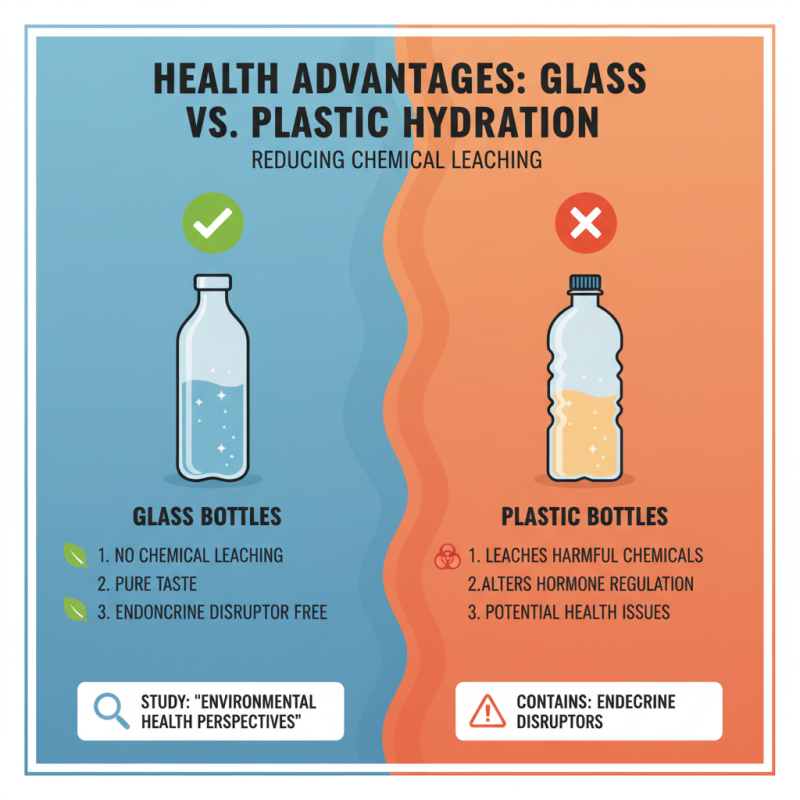
When it comes to daily hydration, using glass bottles offers notable health advantages. Unlike plastic containers, glass does not leach harmful chemicals. A study published in the journal "Environmental Health Perspectives" highlights that plastic bottles may release endocrine disruptors. These chemicals can interfere with hormone regulation, potentially leading to various health issues.
Moreover, glass bottles are generally inert. This means they do not react with their contents, ensuring that the purity of food and beverages is maintained. Research by the International Bottled Water Association indicates that 95% of consumers believe that glass is safer than plastic for storing water and other beverages. This perception aligns with growing concerns about microplastics in consumables.
While glass bottles are more environmentally friendly, they can be heavier and fragile. Users might face challenges in carrying them around daily. Yet, the long-term benefits of reducing chemical exposure often outweigh these inconveniences. Emphasizing a shift towards glass can encourage healthier lifestyle choices, propelling further awareness about sustainable living.
Environmental Impact: How Glass Bottles Are More Eco-Friendly
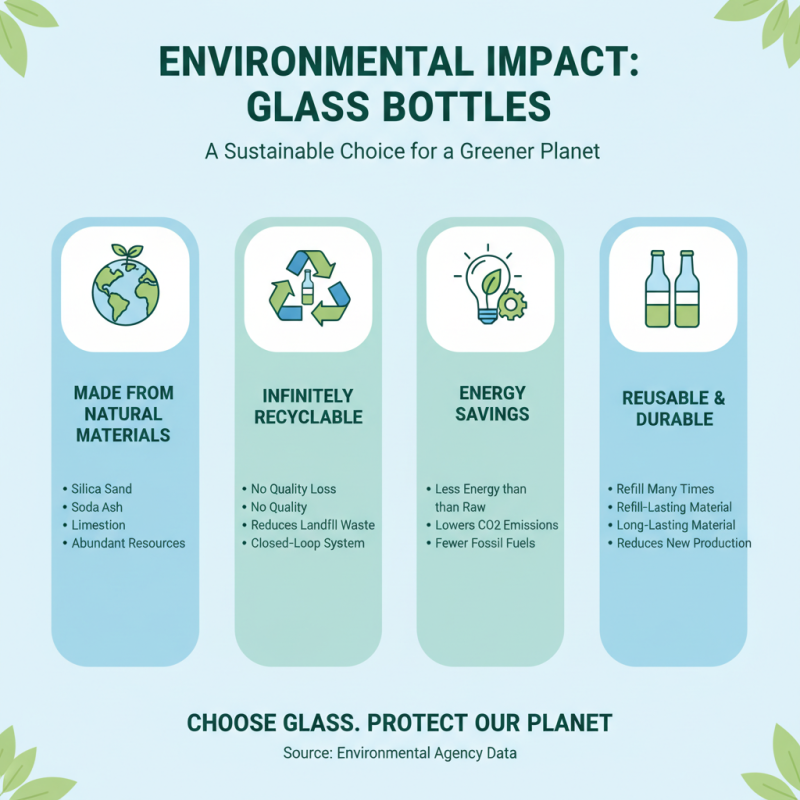
Glass bottles have become a popular choice for those seeking to reduce environmental impact. Unlike plastic, glass is made from natural materials. It is recyclable and can be reused repeatedly without losing quality. This makes glass a sustainable option. Many people don't realize that recycling glass saves energy. It requires less energy to produce new glass from recycled materials compared to raw materials.
Using glass bottles also reduces waste in landfills. Plastic can take hundreds of years to decompose. In contrast, glass can be crushed and melted down, making it an effective recycling material. By choosing glass, we contribute to a circular economy. However, not all regions have efficient glass recycling programs. This can sometimes lead to frustration for environmentally conscious consumers.
For frequent users of glass bottles, handling can be a concern. Glass can break easily, leading to potential hazards. It demands careful transportation and storage. This may deter some individuals from making the switch. Balancing convenience and environmental responsibility can be challenging. But the benefits of using glass often outweigh the drawbacks. By making thoughtful choices, we can promote sustainability daily.
Aesthetic Appeal: The Visual and Textural Benefits of Glass Bottles
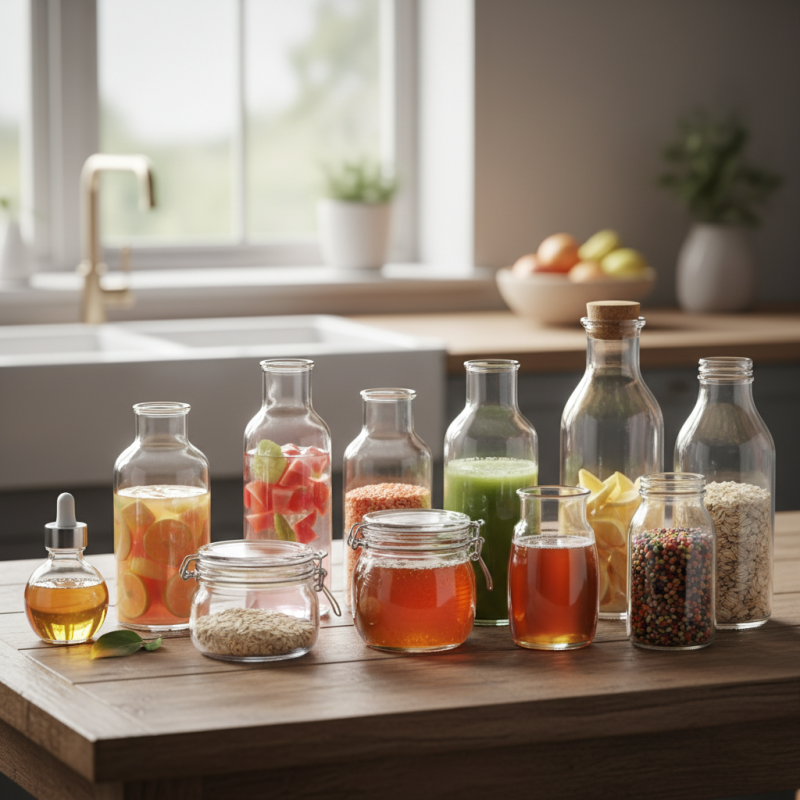
Glass bottles are gaining popularity due to their aesthetic appeal. They offer a sleek, polished look that adds elegance to any setting. The transparency of glass allows you to showcase the vibrant colors of your beverages, enhancing visual appeal. This feature makes glass bottles perfect for gatherings or personal use. Their texture provides a unique tactile experience that plastic simply cannot match.
Using glass bottles also encourages mindfulness. When you hold a glass bottle, you are more aware of the beverage inside. This awareness can elevate your drinking experience. There’s something satisfying about the cool surface and weight of glass in hand. However, glass can be fragile. Care is needed to prevent breakage, which can be a drawback.
Despite these concerns, the environmental impact of glass bottles should be considered. They are recyclable and often more sustainable than plastic. The feeling of sipping from a beautifully crafted glass bottle can remind us of the importance of choosing eco-friendly options. When you choose glass, you invest in quality and style.
Versatility: Using Glass Bottles for Various Daily Applications
Glass bottles offer remarkable versatility for everyday use. They are not just containers; they can transform how we store, consume, and preserve our daily essentials. A 2022 study from the Glass Packaging Institute highlighted that 80% of consumers prefer glass due to its inert nature. It doesn’t react with contents, ensuring purity—important for food and beverages.
From water to juices, glass bottles enhance flavor without leaching harmful chemicals. In kitchens, they serve as ideal storage for spices and oils, keeping freshness intact. In personal care, glass is increasingly favored for lotions and perfumes, fostering sustainability. According to the Environmental Protection Agency, glass is 100% recyclable, offering long-term benefits for the planet.
However, switching to glass isn’t without challenges. They can be heavy and fragile, raising concerns about transportation and breakage. People may overlook the ease of plastic, leading to potential waste. Yet, as consumers become more eco-conscious, the shift towards glass is gaining traction. It encourages reflection on our choices and footfall on the environment. This growing trend emphasizes a need for balance in convenience and sustainability.