Why Choose Rattan Sticks For Your Essential Oil Diffuser?
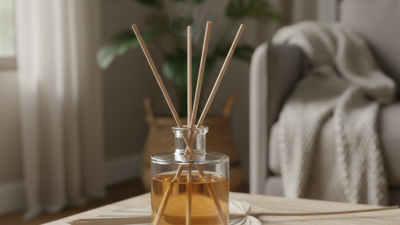
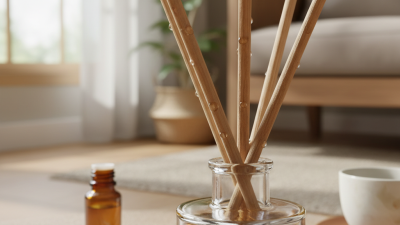
When it comes to enhancing your space with aroma, the choice of diffuser materials matters significantly. Rattan sticks for diffuser have gained popularity due to their unique properties. These natural sticks absorb essential oils effectively, allowing for a continuous release of fragrance. Their porous structure enhances the diffusion process, creating a captivating atmosphere.
Choosing rattan sticks reflects a preference for sustainability. Unlike synthetic materials, rattan is biodegradable and eco-friendly. This choice aligns with a growing awareness of environmental responsibility. However, the quality of rattan can vary. It's essential to select high-quality sticks to ensure optimal performance.
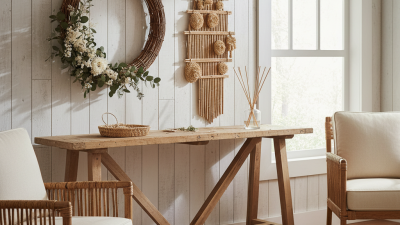
Furthermore, rattan sticks can add visual appeal. Their earthy tones and textures blend beautifully with various decor styles. While some may overlook their aesthetic value, it’s worth considering. A simple yet elegant rattan stick can complement your home’s ambiance. Reflecting on these elements helps you appreciate the role of rattan sticks for diffuser in creating a harmonious environment.

Benefits of Using Rattan Sticks for Essential Oil Diffusion
When selecting rattan sticks for essential oil diffusion, the benefits can be quite impressive. Rattan sticks have a high absorption rate, allowing them to soak up essential oils effectively. According to a study by the Aroma Research Institute, these natural fibers can hold up to 30% more oil than synthetic alternatives. This characteristic ensures longer-lasting fragrance and more efficient scent distribution in a room.
Rattan's porous structure promotes even oil evaporation. This characteristic helps achieve consistent and subtle scents that can enhance relaxation and well-being. A report from the Journal of Fragrance Science indicates that natural diffusion methods can reduce allergic reactions compared to synthetic diffusers. Additionally, using rattan sticks supports sustainability. Rattan is a rapidly renewable resource, which makes it a responsible choice for environmentally-conscious consumers.
However, it’s important to consider how often you need to replace the sticks. Over time, the effectiveness can diminish. This may lead to reflections on the lifecycle of the product and its overall impact. Optimal care and periodic replacement can ensure the best results in your aromatherapy experience.
Comparison of Rattan Sticks and Other Diffusion Methods
When it comes to essential oil diffusion, many methods exist, but rattan sticks offer unique advantages. According to a report from the International Fragrance Association, the diffusion capacity of rattan is notably efficient.
Rattan sticks can absorb and disperse essential oils consistently, creating a steady aromatic environment. Studies indicate that consumers prefer this method for its low-maintenance nature and the aesthetic appeal it adds to home decor.
In comparison, other diffusion methods, like ultrasonic diffusers, often require electricity and regular cleaning. Rattan sticks, on the other hand, offer a natural, eco-friendly option. The National Association for Holistic Aromatherapy emphasizes that rattan sticks can last longer than many typical diffuser options, with proper care extending their lifespan beyond six months.
This longevity makes them a cost-effective choice as well.
However, it's worth noting that rattan may not disperse scents as intensely as some electronic diffusers. This might lead users to feel less immediate aroma throughout larger spaces. Over time, the oil's potency can diminish, requiring users to refresh their oils more frequently. Each method has its drawbacks, and understanding these can guide consumers in making informed decisions.
Impact of Rattan Stick Material on Essential Oil Aroma Release
Rattan sticks are increasingly popular for diffusing essential oils, and for good reason. Their porous structure plays a crucial role in how scents are released into the air. When essential oils are absorbed, the rattan sticks allow a uniform and steady diffusion, enhancing the aromatic experience. This natural material doesn’t overwhelm the scent, unlike synthetic options.
The properties of rattan affect aroma release significantly. Their ability to retain moisture permits oils to evaporate at a consistent rate. A fresh rattan stick can enhance the oil's notes, providing a vibrant scent profile. However, over time, rattan can become saturated, leading to a less effective release.
Choosing rattan sticks offers an eco-friendly option for scent diffusion. The natural aesthetic complements various home styles. However, not all rattan sticks are created equal. Some may lack the needed durability or absorbent quality. Evaluating the source of your rattan sticks can impact your overall experience and satisfaction.
Industry Trends in Home Fragrance: Rattan Stick Popularity Growth
The rise of home fragrance trends is undeniable. Among the various options available, rattan sticks have gained significant popularity. Their unique properties make them an ideal choice for essential oil diffusers. Rattan sticks absorb oil effectively, allowing for a consistent release of fragrance. Unlike synthetic alternatives, they provide a natural and eco-friendly option. This appeal resonates with consumers seeking sustainable home decor alternatives.
Home fragrance enthusiasts appreciate the aesthetic qualities of rattan sticks. They offer a rustic yet modern touch to any room. Additionally, rattan’s porous nature ensures that even subtle scents permeate the air. Many users find that rattan sticks are more efficient than traditional diffuser methods. However, some struggle with scent intensity, occasionally feeling the need for stronger fragrances. It is essential to consider personal preferences when selecting diffuser accessories.
As the market for home fragrances evolves, rattan sticks continue to trend. Their versatile designs fit various settings, from cozy homes to elegant offices. While they are becoming more mainstream, not everyone is aware of their full potential. Exploring different oils and blends can enhance the overall experience. The growth of rattan stick diffusers reflects a broader desire for comfort and creativity in personal spaces.
Sustainability and Sourcing of Rattan Sticks for Eco-Friendly Practices
Rattan sticks have emerged as a popular choice for essential oil diffusers, primarily due to their sustainability. Rattan is a fast-growing vine that thrives primarily in tropical regions. With growth rates of up to 3 meters per year, this plant offers an eco-friendly alternative to traditional wood sources. In fact, the World Wildlife Fund (WWF) highlights rattan’s low environmental impact compared to hardwoods, which often require decades to mature.
Sourcing rattan sustainably is essential for maintaining biodiversity and supporting local communities. A significant report by the International Union for Conservation of Nature (IUCN) emphasizes that responsible harvesting practices can benefit both the ecosystem and the economy. Harvesting rattan does not involve deforestation and can actually enhance forest health. Rattan provides livelihoods for many indigenous people, allowing for responsible usage without harming their environment.
However, challenges persist in ensuring all rattan is sourced ethically. Some suppliers may not adhere to sustainable practices, and a lack of regulations can complicate this. It’s crucial for consumers to support certified sources. By doing so, they can ensure that their rattan sticks promote eco-friendly practices. The balance between environmental sustainability and consumer demand is delicate and requires ongoing reflection from everyone involved in the supply chain.
Why Choose Rattan Sticks For Your Essential Oil Diffuser? - Sustainability and Sourcing of Rattan Sticks for Eco-Friendly Practices
| Aspect |
Details |
| Material |
Rattan is a natural vine, known for its flexibility and strength. |
| Sustainability |
Rattan is a renewable resource that can be harvested without causing harm to the environment. |
| Air Quality |
Using rattan sticks can contribute to improved indoor air quality by diffusing essential oils effectively. |
| Eco-Friendly Practices |
Choosing rattan helps support sustainable harvesting practices and eco-friendly consumer choices. |
| Aesthetic Appeal |
Rattan sticks add a natural, rustic look to home decor which complements various styles. |
| Cost |
Rattan sticks are typically cost-effective compared to synthetic alternatives. |