How to Choose the Best Fiber Reed Stick Supplier?
Choosing the right Fiber Reed Stick supplier affects fragrance performance, product safety, and customer trust. A reed may look simple, yet its fiber structure controls liquid absorption and scent diffusion. Poorly matched materials can clog, bend, or release fragrance unevenly. Small details matter.
Market evidence supports careful supplier evaluation. Grand View Research reported continued growth in the global home fragrance market, driven by premium products and rising consumer interest in pleasant indoor environments. Mordor Intelligence also identifies reed diffusers as an expanding segment within home fragrance. These trends create opportunity, but they also increase supplier competition. A professional buyer should request measurable evidence, not attractive claims.
Ask for fiber composition, diameter tolerance, absorption testing, and batch records. Request samples in the exact fragrance base you plan to use. Water-based, alcohol-based, and oil-based formulas can behave differently. Check whether the supplier follows recognized chemical and fragrance safety practices, including relevant IFRA guidance from the International Fragrance Association. Certificates should be current and traceable.
Experience helps here. Test each sample in a controlled room, using the same bottle, fragrance volume, and observation period. Record the first scent impression, liquid rise, color stability, and performance after seven days. Do not judge one stick too quickly. A supplier with responsive technical support is often more valuable than the cheapest quotation. Still, no supplier is perfect. Even reliable factories may show variation between batches. The best choice combines transparent documentation, consistent production, practical testing, and a realistic quality agreement.
Understanding Fiber Reed Sticks and Their Applications
How to Choose the Best Fiber Reed Stick Supplier?
Understanding Fiber Reed Sticks and Their Applications
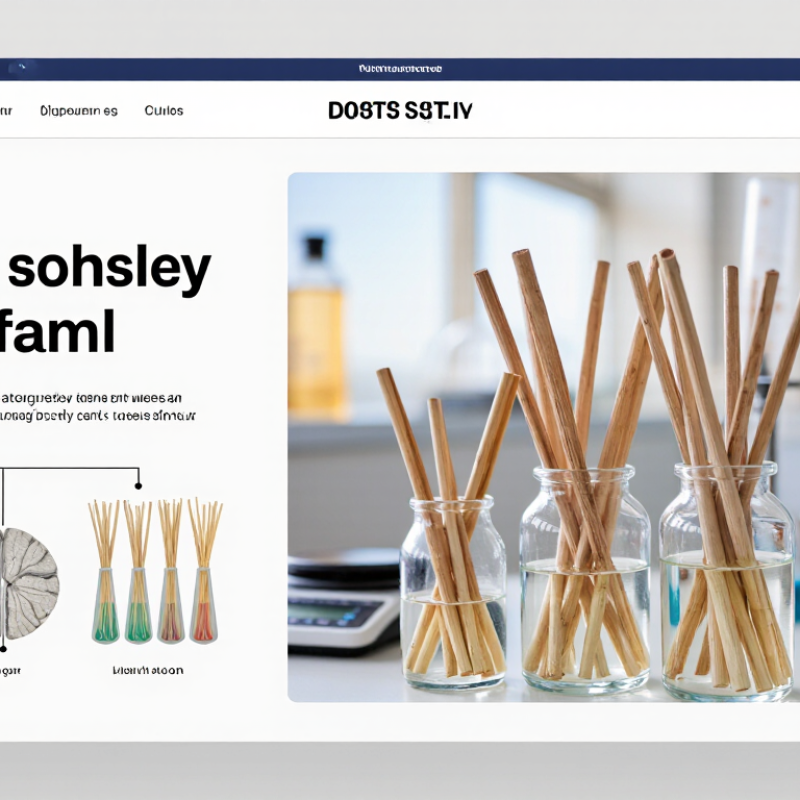
Fiber reed sticks are porous, flame-free wicks used in reed diffusers. Their tiny channels draw fragrance upward through capillary action. Unlike natural rattan, engineered fiber reeds usually offer more consistent diameter and absorption. This matters when a diffuser sits on a hotel desk or a narrow bathroom shelf.
Their applications are expanding with home fragrance demand. Grand View Research estimates the global home fragrance market reached about USD 13.2 billion in 2023. It also projects steady growth through 2030. This figure supports wider use in homes, offices, spas, hospitality spaces, and retail displays. Still, market growth does not guarantee good performance. A beautiful package cannot fix weak diffusion.
When comparing suppliers, request samples with different lengths, diameters, colors, and surface finishes. Test them in the same oil for at least seven days. Record scent reach, liquid rise, staining, and drying speed. Ask for material specifications, production tolerances, batch records, and independent safety documentation. ISO 9001-based quality systems can indicate process control, but certificates need verification. Suppliers should also explain how fiber composition affects fragrance compatibility.
Small details matter. A 3-millimeter reed may perform differently from a 4-millimeter reed. Some fibers absorb quickly but evaporate unevenly. That can increase replacement frequency. I would not select a supplier from one successful sample. Temperature, oil viscosity, and bottle opening can change results. A practical trial should include warm and cool conditions, because laboratory performance may look better than daily use.
Defining Your Product Requirements and Quality Standards
How to Choose the Best Fiber Reed Stick Supplier?
Choosing a fiber reed stick supplier begins with a precise product brief, not a low quotation. Define stick length, diameter, color, texture, absorption speed, and expected service life. Also state the liquid formula, bottle neck size, packaging method, and target market conditions. These details affect fiber selection and production tolerance. Small differences matter. If your product needs a soft, natural appearance, specify acceptable surface marks and color variation. A supplier cannot meet an unstated standard consistently.
Ask for samples made to your proposed specification, then test them in the finished container. Check capillary performance, bending strength, odor neutrality, shedding, and appearance after several days. Record results with photos, measurements, and test dates. I have learned that a perfect sample can mislead. Production batches may behave differently. Request batch records, raw material details, inspection plans, and a clear process for handling nonconforming goods. Independent testing can support claims about moisture, composition, or safety when needed. Do not rely on certificates alone.
Quality standards should be measurable and practical. Define diameter tolerance, moisture range, length tolerance, packaging cleanliness, and acceptable defect limits. Confirm how often the supplier checks these points and who signs the records. A factory visit or documented remote audit can reveal storage conditions, calibration habits, and worker training. Experience matters here. Still, audits have limits; they capture one moment, not every shipment. Include approval samples, random inspections, and corrective-action deadlines in the agreement. Leave room for review. Your requirements should protect performance without making normal production unnecessarily expensive.
How to Choose the Best Fiber Reed Stick Supplier?
A practical supplier evaluation should begin with clearly defined product requirements and measurable quality standards. The chart below shows a suggested purchasing scorecard for fiber reed sticks, based on performance, consistency, compliance, and supply reliability.
Performance and consistency receive the highest weighting because reed dimensions, liquid absorption, diffusion speed, and odor neutrality directly affect end-user experience. Compliance, packaging, lead time, and quality-control documentation help reduce manufacturing and supply-chain risk.
Evaluating Supplier Materials, Manufacturing, and Certifications
Choosing a fiber reed stick supplier requires more than comparing prices. Material consistency affects liquid absorption, scent release, and appearance. Ask whether the sticks use cotton fiber, cellulose, recycled paper, or blended pulp. Each structure behaves differently in fragrance oil. In practical testing, I would inspect cut edges, fiber density, moisture, and diameter across several batches. A smooth surface may look attractive, but uneven pores can cause inconsistent diffusion. This is easy to overlook.
Manufacturing evidence matters. Request process controls for forming, drying, trimming, and packaging. Suppliers should provide batch records and test data for capillary rise, absorption time, tensile strength, and odor neutrality. ISO 9001 certification can indicate a documented quality system; the ISO Survey 2023 recorded over one million ISO 9001 certificates worldwide. However, certification does not guarantee perfect reed performance. It only supports disciplined management. For fiber origin, FSC’s 2023 facts and figures reported more than 160 million hectares under certification. FSC chain-of-custody documentation can strengthen traceability, but verify the certificate number and product scope.
Tips: Request three production batches, not one sample. Test them with your actual fragrance formula for at least seven days. Check ISO 9001 or ISO 14001 records directly. Ask for FSC evidence when sustainable fiber is claimed. A supplier once passed visual inspection yet failed absorption testing; my first judgment was too quick. Review corrective-action records, packaging cleanliness, and storage humidity before approving production.