How to Choose the Best Rattan Sticks for Global Sourcing
Choosing the best Rattan Sticks for global sourcing requires more than comparing prices. Buyers must examine species, maturity, diameter, moisture, surface quality, and processing methods. A stick may look smooth in a sample bundle, yet show cracks after drying or shipping. Small details matter.
Palm botanist Dr. John Dransfield describes rattan simply: “Rattans are climbing palms.” This distinction guides responsible purchasing. Rattan is not ordinary wood. Its natural fibers, flexibility, and hollow structure vary across species and growing conditions. Experienced buyers inspect straightness, color consistency, node spacing, and cut-end cleanliness. They also ask for harvest information, treatment records, packaging details, and realistic production capacity.
Start with the final application. Furniture frames need dependable bending strength. Basketry may require thinner, more flexible lengths. Decorative projects often prioritize color and surface appearance. Do not use one specification for every product.
Measure moisture carefully.
A rushed inspection creates expensive surprises. However, laboratory results alone cannot replace practical handling. Bend several samples. Check for brittle sounds, powder, insect damage, or hidden splits. I have seen attractive bundles fail because the inner lengths were poorly dried. That weakness deserves attention.
Global sourcing also requires consistent communication. Confirm tolerances in writing, approve a production sample, and request photographs before loading. Ethical suppliers should explain their harvesting and processing practices clearly. Certifications may help, but they are not magic. Verify what each document actually covers.
The best choice is rarely the cheapest shipment. It is the Rattan Sticks supply that performs reliably, arrives consistently, and supports responsible long-term cooperation.
Understanding Rattan Stick Types, Grades, and Common Applications
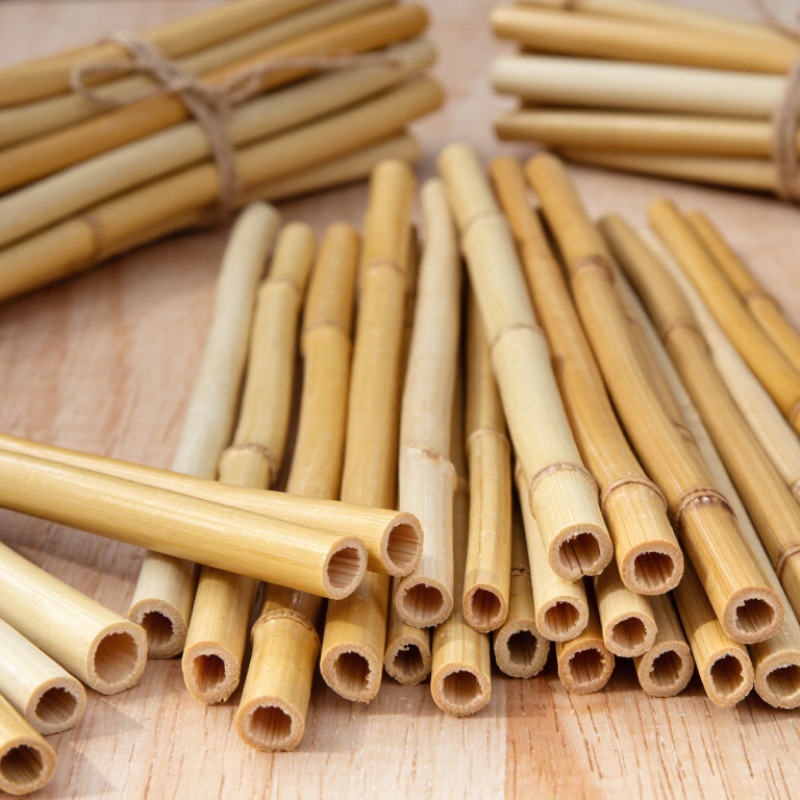
Rattan sticks vary sharply in structure, diameter, flexibility, and finish. Commercial buyers should identify the type before comparing prices. Solid cane offers strength for furniture frames and handles. Split rattan suits weaving, wrapping, and decorative panels. Core rattan feels lighter and bends more easily, but it may split under repeated stress. Some suppliers also classify sticks by surface skin, core density, and straightness.
Grades are not globally standardized. That is a problem. A “premium” label may only describe appearance, not performance. Request measurable details, including diameter tolerance, moisture content, straight length, allowable knots, and insect damage. The International Network for Bamboo and Rattan identifies hundreds of rattan species worldwide, so species and origin should appear on technical documents. A batch with pale, smooth skins can still contain weak centers. Cut samples reveal more than photographs.
Applications should guide the grade. Furniture frames need thicker, straight sticks with limited cracking. Basket weaving requires consistent splitting behavior and flexible fibers. Smaller sticks work for lampshade ribs, craft structures, and lightweight trim. The FAO Global Forest Resources Assessment 2020 reports that forests cover about 31% of global land, reinforcing the need for traceable forest-based sourcing. Still, environmental claims require evidence, not attractive wording. Ask for harvest documentation, treatment records, packing details, and independent moisture checks. A sensible purchase order defines rejection limits before shipment. Without those limits, even a low-cost container can become expensive.
Assessing Material Quality, Durability, and Surface Characteristics
When sourcing rattan sticks globally, material quality starts with consistent inspection. Measure diameter at several points, not only at the center. Uneven thickness can weaken frames and create visible gaps during assembly. Check color under natural light. Pale, dark, or grey patches may indicate uneven drying, surface exposure, or age.
Touch the surface carefully. Quality rattan should feel firm, dry, and reasonably smooth, with no sharp splinters or deep cracks. Small natural marks are acceptable. However, soft areas near the nodes deserve attention. They may signal internal weakness or poor storage. Look closely. A clean appearance can hide moisture problems.
Durability depends on fiber density, moisture control, and handling before shipment. Ask for moisture readings from several sticks in the same batch. One reading is not enough. Bend sample pieces gently and compare their recovery, stiffness, and cracking behavior. I have found that straight sticks often perform better, but slight curves can still suit woven or shaped products. That judgment needs product context.
Surface characteristics also affect finishing costs. Rough bark, uneven nodes, and sanding scars may require extra labor. Request samples showing the actual production grade, not only selected pieces. Record diameter tolerance, acceptable defects, moisture limits, and packing conditions in the purchase specification. Batch variation remains a practical risk. Even careful checks cannot remove it entirely. Reinspect after arrival, because transport humidity can change the material before production begins.
How to read this chart: The screening scores use a 0–100 procurement benchmark based on measurable indicators commonly used for rattan cane evaluation. Material quality emphasizes moisture consistency and cane uniformity; durability reflects density and mechanical strength; surface characteristics cover smoothness, cracking, staining, and visible insect damage. Actual acceptance limits should be confirmed through lot-by-lot inspection and laboratory testing.
Reference basis: commonly reported rattan cane moisture, density, mechanical-property, and surface-inspection criteria in rattan processing and materials research. The scores are sourcing benchmarks, not company or brand performance data.
Matching Rattan Stick Specifications to Product Requirements
How to Choose the Best Rattan Sticks for Global Sourcing
Matching Rattan Stick Specifications to Product Requirements
Choosing rattan sticks starts with the finished product, not the supplier’s catalog. A basket handle may need flexible, smooth sticks with a consistent 8–12 millimeter diameter. Furniture frames usually require thicker pieces, stronger cores, and reliable lengths. Measure your prototype carefully before requesting quotations. Small differences can affect weaving tension, assembly time, and product appearance.
Moisture content deserves close attention during sourcing. Excess moisture may encourage mold during ocean transport, especially in humid containers. Ask for inspection records, packaging details, and recent production samples. Check straightness, surface cracks, color consistency, and cut-end quality by hand. A dry, clean surface feels firm rather than clammy. It is not perfect evidence, but it helps. My own sourcing reviews have shown that visual grading alone can miss hidden weakness. That mistake is costly.
Tips: Provide drawings with exact dimensions and acceptable tolerances. Request samples from different production batches. Test bending, trimming, and surface finishing before placing a larger order. Keep one approved sample as the reference standard. If specifications remain vague, quality discussions become subjective. A practical checklist makes communication more reliable across languages, factories, and inspection teams.
Evaluating Suppliers, Sustainability, and International Compliance
How to Choose the Best Rattan Sticks for Global Sourcing
Reliable rattan sourcing starts with supplier verification, not attractive photographs. Request harvest locations, processing records, and recent quality documents. Check whether the supplier can identify each shipment by lot number. This improves traceability when moisture, diameter, or color varies. Ask for samples from several production batches. One sample can mislead. During inspection, measure straightness, wall thickness, moisture content, surface cracks, and odor. A polished certificate is not enough; production practices still require careful review.
Sustainability should be practical and measurable. Prefer suppliers who explain harvest limits, regeneration methods, and worker protections clearly. Look for credible third-party certification when available, but verify its scope and validity. International compliance also matters. Confirm phytosanitary treatment, fumigation records where required, packaging rules, customs descriptions, and destination-country import controls. Requirements differ by market. Missing one document can delay a container for weeks. I have found that small documentation gaps often create larger costs than minor material defects.
Tips: Compare samples under identical humidity conditions. Keep written inspection standards. Ask for corrective-action records, not only promises. Recheck compliance before every shipment. No checklist is perfect. Leave room for human review.
Comparing Costs, Samples, Packaging, and Global Shipping Conditions
Choosing rattan sticks starts with cost, but the cheapest quote is rarely the cheapest shipment. Compare price by usable kilogram, diameter tolerance, moisture level, and rejection rate. FAO’s Non-Wood Forest Products data shows rattan supports rural livelihoods across producing regions, yet supply quality can vary by harvest season. Ask for samples from different batches. Measure length, straightness, surface cracks, and odor after opening.
Sample fees should include cutting, sorting, and courier charges. Request at least three grades, not one polished piece. A sample may hide inconsistent cores. I have seen visually attractive bundles fail when sticks warped after several days indoors. That mistake is easy to repeat. Record moisture readings and photograph every sample beside a ruler. A simple inspection sheet improves comparison, although it cannot replace physical testing.
Packaging changes the landed cost quickly. Use dividers, moisture-resistant inner wrapping, and strong outer cartons. Confirm carton dimensions before ordering, because volumetric weight can exceed actual weight. UNCTAD’s Review of Maritime Transport 2023 states that over 80% of global merchandise trade by volume moves by sea. Ocean freight suits larger rattan orders, while air shipping works better for urgent samples. Compare at least two routes and request current freight quotations. Drewry’s World Container Index demonstrates how weekly container rates vary significantly by trade lane. Leave a buffer for port handling, customs documentation, and seasonal delays. My own estimates are often too optimistic when packaging changes late.