Leave Your Message
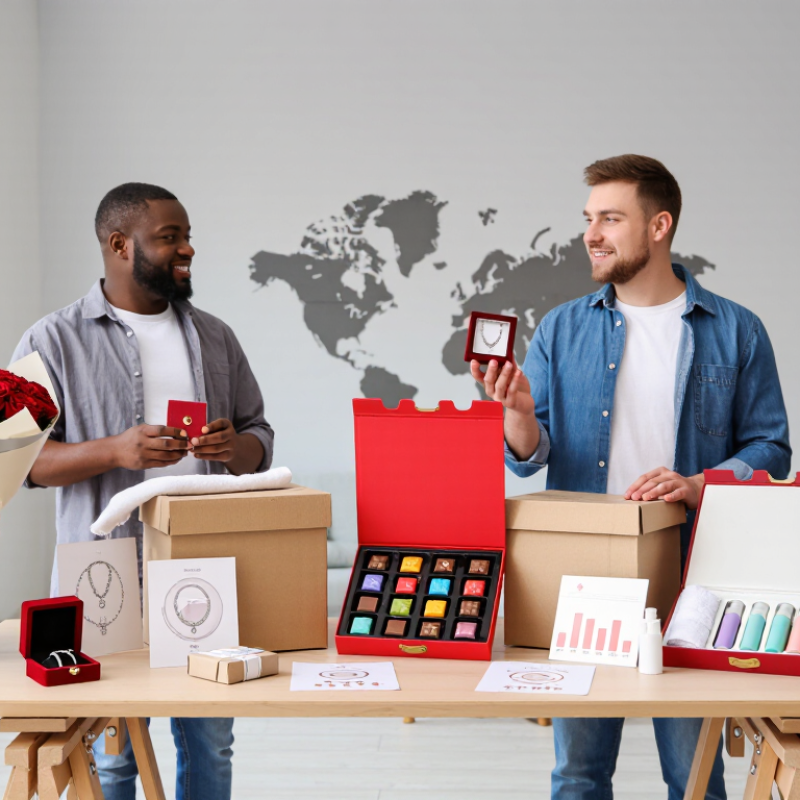
Choosing a Valentines Day Gift for global buyers requires more than attractive packaging and romantic messaging. Preferences change across cultures, age groups, budgets, and delivery regions. A red rose may feel timeless in one market, yet overly familiar in another. Some customers prefer personalized jewelry, while others choose chocolate, wellness products, handwritten cards, or practical experiences.
Matthew Shay, President and CEO of the National Retail Federation, has said, “Valentine’s Day is a great opportunity for consumers to show their appreciation for loved ones.” This observation highlights the emotional purpose behind every purchase. Global sellers should study that purpose before selecting products. Experience from international retail shows that buyers respond better when product pages explain materials, dimensions, personalization limits, and delivery dates clearly. Small details build confidence.
Timing matters greatly. A gift that arrives on February 15 loses much of its meaning. Sellers should display regional shipping cutoffs and provide realistic tracking information. Packaging should also protect fragile items during long-distance transport. Avoid assumptions about romance, gender, family structure, or relationship status. Inclusive choices often perform better.
The process is not perfect. A trend that succeeds in London may fail in Seoul or São Paulo. Even careful research can miss local nuance. Test several product versions, collect customer feedback, and adjust gradually. Reliable sellers also review labeling, payment, privacy, and consumer-protection requirements in each destination. Trust is part of the gift. The right Valentines Day Gift feels personal, arrives safely, and respects the buyer’s culture.
How to Choose Valentine’s Day Gifts for Global Buyers
Defining global Valentine’s Day gift needs starts with listening, not guessing. Buyers in different markets may value romance, friendship, family affection, or personal wellness. A practical survey can reveal these differences before products are selected. Ask about age, relationship type, budget, delivery location, and preferred gift style. Keep questions simple. Search data and customer reviews can also expose seasonal concerns, such as late delivery or unsuitable packaging.
Price remains important, but it is not the only decision factor. Some customers want small, affordable gifts for classmates or colleagues. Others expect premium materials, personalization, and protective presentation. Clear product photos, accurate dimensions, and transparent shipping costs build trust. Packaging should suit local customs, climate, and delivery conditions. In warm regions, heat-sensitive items may need safer alternatives. In some markets, minimalist wrapping feels elegant; elsewhere, colorful details create stronger emotional appeal.
I once assumed personalized gifts would attract every buyer. That assumption was too broad. Some customers preferred fast dispatch over engraving, especially during the final week before February 14. This is worth remembering. Offer flexible choices, such as message cards, neutral designs, and several price levels. Check translation quality carefully, because a romantic phrase can sound awkward across cultures. Product testing with local reviewers can uncover small problems that sales reports miss. Age guidance, material information, and return terms should remain easy to find.
| Target Market | Typical Online Gift Budget | Most Common Gift Needs | Preferred Product Characteristics | Personalization Expectations | Preferred Delivery Window | Key Buying Concerns | Recommended Merchandising Priority |
|---|---|---|---|---|---|---|---|
| North America | US$30–US$100 per gift | Flowers, chocolates, jewelry, beauty products, greeting cards, and experience-related gifts | Convenient online ordering, attractive presentation, clear product photography, and gift-ready packaging | Names, short messages, photo products, initials, and selected delivery dates | Order 5–10 days before February 14; same-day or next-day delivery is valued in major cities | Late delivery, hidden shipping fees, unclear return policies, and product differences from online images | Convenience and delivery reliability |
| Western Europe | €25–€90 per gift | Flowers, confectionery, fragrance, home décor, sustainable gifts, and romantic keepsakes | Elegant design, responsible materials, compact packaging, and strong product quality | Discreet personalization, handwritten-style notes, monograms, and customizable gift sets | Order 7–14 days before February 14; cross-border orders may require additional time | Environmental impact, packaging waste, delivery fees, product safety, and transparent sourcing | Quality and sustainability |
| East Asia | US$25–US$120 per gift | Premium sweets, cosmetics, accessories, plush gifts, flowers, and carefully coordinated gift boxes | Refined appearance, premium unboxing experience, compact dimensions, and culturally suitable colors | Gift messages, initials, limited-name personalization, and coordinated packaging options | Order 7–14 days before February 14; exact delivery-date selection is important | Authenticity, packaging condition, translation quality, delivery precision, and seasonal availability | Presentation and trust |
| Southeast Asia | US$15–US$70 per gift | Snack boxes, flowers, beauty items, plush toys, fashion accessories, and affordable couple gifts | Good value, visually appealing designs, mobile-friendly ordering, and flexible product combinations | Short greetings, names, couple messages, and selectable gift-wrap styles | Order 5–10 days before February 14; local delivery coverage strongly influences purchase decisions | Shipping cost, cashless payment availability, address accuracy, weather-sensitive products, and delivery reach | Value and local fulfillment |
| Middle East | US$40–US$150 per gift | Premium chocolates, fragrance, flowers, luxury-style hampers, accessories, and family-oriented gifts | Elegant presentation, high perceived value, modest visual styling, and premium materials | Arabic and English greeting options, names, short messages, and formal gift cards | Order 7–14 days before February 14; buyers often prefer scheduled delivery and direct recipient contact | Cultural suitability, ingredient information, delivery privacy, payment options, and heat-resistant packaging | Premium value and cultural fit |
| Latin America | US$20–US$80 per gift | Flowers, chocolates, soft toys, personalized mugs, jewelry, and romantic gift baskets | Warm colors, emotional storytelling, bundle discounts, and clear value for money | Names, photos, romantic messages, favorite colors, and customized gift combinations | Order 5–10 days before February 14; delivery confirmation and recipient contact are important | Address verification, delivery coverage, payment flexibility, import delays, and seasonal price increases | Emotional appeal and affordability |
| Oceania | A$35–A$120 per gift | Flowers, wine-related accessories, chocolates, wellness products, home items, and outdoor experiences | Practical design, high product quality, recyclable packaging, and reliable domestic shipping | Gift notes, initials, personalized labels, and selected delivery dates | Order 7–14 days before February 14; regional and remote delivery may need extra buffer time | Delivery distance, product freshness, shipping surcharges, sustainability, and return convenience | Reliability and practicality |
| Global Cross-Border Buyers | US$25–US$100 per gift | Lightweight gifts, digital gift cards, personalized accessories, shelf-stable foods, and compact gift sets | Low shipping weight, durable packaging, easy customs handling, and internationally understandable product information | Multilingual messages, recipient names, selectable card designs, and digital personalization previews | Order 14–21 days before February 14 to allow for customs and international transit | Customs duties, exchange rates, delivery tracking, language accuracy, damaged parcels, and return costs | Cross-border simplicity |