Top Trends for 2026 Natural Rattan Sticks Suppliers?
The market for Natural Rattan Sticks is evolving rapidly as we approach 2026. Experts predict significant trends that will shape the industry. Michael Thompson, a leading authority in eco-friendly materials, emphasizes, “Sustainable practices will define the future of Natural Rattan Sticks.” This statement highlights the crucial focus on sustainability.
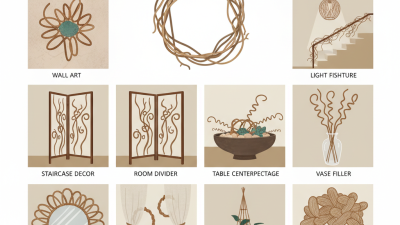
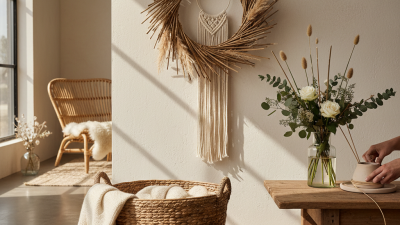
As consumers demand more eco-conscious products, suppliers must adapt. These Natural Rattan Sticks can be transformed into beautiful home decor, furniture, and more. Their versatility is gaining attention, but suppliers face challenges. Sourcing high-quality rattan while ensuring ethical practices is vital.
Incorporating innovative designs and sustainable methods may increase market appeal. Yet, the journey is not without bumps. Suppliers must navigate issues like increasing costs and supply chain complexities. A reflection on these challenges reveals the need for adaptability in a changing market.

Emerging Market Trends for Rattan Stick Suppliers in 2026
As we look to 2026, the market for natural rattan sticks is set to evolve significantly. Increasing environmental awareness drives demand for sustainable materials. According to a recent report by Global Industry Analysts, the rattan market is projected to reach $1.5 billion by 2026, influenced by eco-conscious consumers and businesses.
Emerging trends also encompass innovative designs and craftsmanship. Buyers are seeking unique products that resonate with their values. This interest opens opportunities for suppliers to differentiate themselves. An emphasis on quality over quantity is becoming increasingly clear. By adopting artisanal techniques, suppliers can capture niche markets.
Tips: Focus on storytelling around your products. Share the journey of rattan from forest to finished item. Consider collaborating with local artisans. This adds authenticity to your brand. Pay attention to changing consumer preferences. Keeping an eye on market trends can guide product development. Rattan may be traditional, but how it's presented will impact its appeal.
Top Trends for 2026 Natural Rattan Sticks Suppliers
| Trend |
Description |
Emerging Market |
Projected Growth (%) |
| Sustainable Sourcing |
Increasing demand for environmentally friendly products. |
Asia-Pacific |
15% |
| Design Innovations |
New design trends using rattan in furniture and crafts. |
North America |
10% |
| E-commerce Growth |
Rise in online sales platforms for rattan products. |
Europe |
20% |
| Health and Wellness Trends |
Increased use of rattan in wellness and relaxation products. |
Latin America |
12% |
| Customization Options |
Growing interest in personalized rattan products. |
Middle East |
18% |
Sustainable Sourcing Practices for Natural Rattan Materials
Sustainable sourcing practices for natural rattan materials are increasingly vital as we approach 2026. Suppliers are prioritizing transactions that respect environmental integrity. This means looking beyond mere pricing and considering the sustainability of rattan cultivation. Harvesting rattan from managed forests ensures the ecosystem remains healthy. Yet, many suppliers struggle to obtain certifications.
Incorporating community engagement is crucial in these practices. Collaborating with local farmers fosters mutual trust. It results in quality rattan while supporting livelihoods. Some suppliers face challenges in maintaining consistent quality. They often overlook the connection between skilled labor and product excellence. This gap can lead to unreliable supplies and unsatisfied customers.
Understanding the environmental impact of rattan harvesting is essential. Some manufacturers still use outdated methods. These methods not only deplete resources but also harm local wildlife. Investors increasingly demand transparency in sourcing. This trend challenges suppliers to rethink their methods. Some may resist change, but adaptation is necessary for sustainable success.
Innovative Product Developments in Rattan Stick Manufacturing
The rattan stick manufacturing industry is evolving rapidly. Innovative product developments are key to staying competitive. Manufacturers are focusing on sustainable practices. Eco-friendly methods are becoming crucial. This shift is driven by increasing consumer awareness.
In 2026, we may see advanced techniques in processing rattan. Natural fibers are being combined with other materials. This innovation can lead to stronger and more versatile products. For instance, hybrid rattan sticks may offer unique designs and improved durability. However, balancing innovation with tradition is challenging. Some craftsmen resist change, fearing it may weaken traditional techniques.
Moreover, customization of rattan products is on the rise. Many suppliers are exploring this trend. Personalized rattan designs can attract more customers. Yet, the production process must remain efficient. Striking this balance presents obstacles. Manufacturers need to think critically about their practices. They must adapt without losing their essence. It's a complex journey, but essential for long-term success.
Consumer Preferences Influencing Rattan Stick Designs and Uses
Consumer preferences are rapidly shaping the rattan stick market. A recent report from the Natural Fibers Association highlighted that over 70% of consumers prefer eco-friendly products. This shift towards sustainability influences the design of rattan sticks. Suppliers are now focusing on organic finishes and natural dyes. These designs appeal to environmentally conscious buyers.
Rattan sticks must adapt to diverse uses. From home decor to utility in handmade crafts, consumer needs are evolving. Statistics show that 55% of consumers look for products that are multifunctional. Designs that blend aesthetics with practicality are gaining traction. Additionally, younger demographics show a preference for customizable products. This trend shows that suppliers must innovate continuously.
Tip: Ensure your rattan sticks offer customizable options. Encourage consumers to personalize their selections. This increases engagement and satisfaction.
Rattan stick designs must remain flexible. As buyer preferences shift, suppliers should monitor trends closely. Incorporating feedback can guide future designs. A responsive approach ensures relevance in a dynamic market.
Technological Advancements Impacting Rattan Supply Chains
Technological advancements are reshaping the rattan supply chain in notable ways. Suppliers are leveraging automation to enhance production efficiency.
Smart devices are now used to monitor growth conditions, ensuring better quality rattan. Furthermore, blockchain technology is gaining traction, offering solutions for traceability and transparency in the supply chain. This fosters trust among consumers who increasingly prefer sustainable sourcing.
Switching to digital platforms, suppliers are redefining their sales strategies. E-commerce enables them to reach global markets with ease. Real-time data analytics helps understand market trends and customer preferences.
However, not all suppliers have adapted well to these changes. Some struggle with the initial investment or lack of digital skills. It's vital for suppliers to continue learning and refining their approaches.
Tips: Invest in training programs for staff. Developing a tech-savvy workforce is essential. Explore partnerships with tech companies to stay ahead. Monitoring customer feedback is also crucial for adapting to their needs. Embracing change is not just a challenge; it's an opportunity for growth in the evolving landscape of rattan supply chains.