Top Trends in Glass Bottle Design for 2026 Buyers?
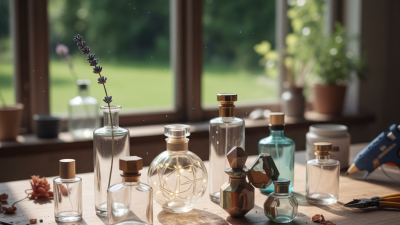
As we look ahead to 2026, the realm of Glass Bottle design is witnessing remarkable transformations. This shift stems from both consumer preferences and environmental concerns. Designers are now challenged to blend aesthetics with sustainability. Modern buyers seek not just functional containers but also artful pieces. Each Glass Bottle tells a story, reflecting its maker's values and vision.
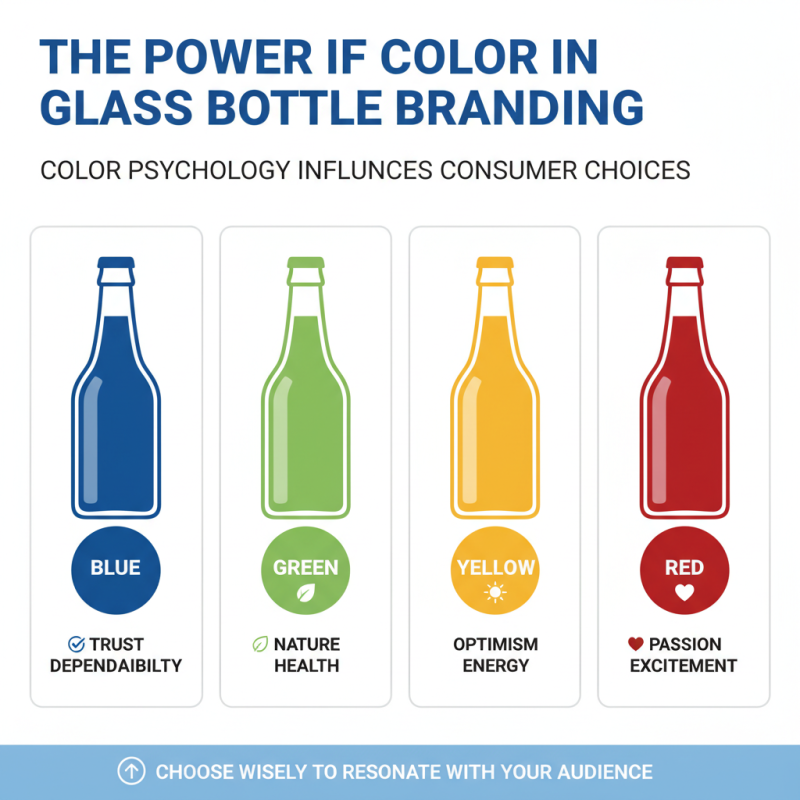
Innovations in materials and technology shape the future of Glass Bottle design. Recyclable elements and minimalistic designs are gaining traction. Textures and colors are becoming more vibrant, appealing to a younger audience. However, there still exist hurdles. Not every design emphasizes practicality or usability. Balancing creativity with functionality remains essential.
The market demands reliability in both quality and design. Consumers are becoming more discerning, and brands must adapt swiftly. The Glass Bottle industry faces opportunities and challenges alike. Achieving the perfect blend of innovation and sustainability is no easy feat. Each design will require reflection, ensuring it meets buyers' evolving tastes and environmental considerations.
Top Design Trends in Glass Bottles for Eco-Conscious Consumers in 2026
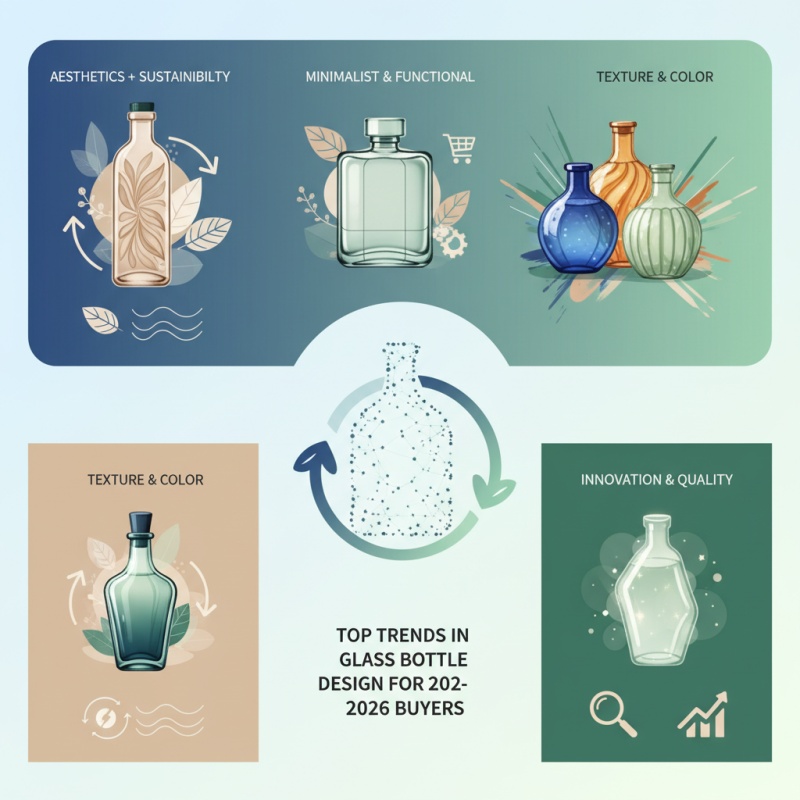
As we approach 2026, the glass bottle design landscape is evolving rapidly. Eco-conscious consumers are driving these changes, demanding sustainable practices in packaging. Designers are focusing on minimalism, using fewer materials while enhancing aesthetics. This minimal approach reduces waste and often leads to more innovative shapes and functions.
The use of recycled glass is another significant trend. More brands are opting for reused materials. This not only lowers the carbon footprint but also adds unique characteristics to each bottle. Consumers appreciate the story behind the product, making each bottle feel special. Textured surfaces and earthy colors are becoming popular, reflecting a connection to nature.
Still, challenges remain in the quest for sustainability. Some designs prioritize style over practicality. A form might look striking but fail to serve its purpose effectively. Furthermore, consumer education about glass recycling is crucial. Many still do not understand the importance of proper disposal. Brands must navigate these complexities while staying true to eco-friendly values.
Innovative Shapes and Ergonomic Designs in Glass Bottle Manufacturing
In 2026, glass bottle designs are evolving rapidly. Innovative shapes are becoming a focal point. Manufacturers are exploring curves and angles that catch the eye. These shapes not only enhance aesthetics but also improve function. For instance, bottles with a sculpted grip allow for better handling.
Ergonomic designs offer comfort and convenience. The user experience is a priority in today’s market. Bottles that are easier to hold lead to less accidental spills. Designers experiment with lightweight materials without compromising strength. This balance is crucial for sustainable packaging.
However, some designs may prioritize style over practicality. A stunning geometric bottle may be harder to use. Potential users might find it difficult to fit in regular cup holders. Designers need to consider these elements as they innovate. Balancing beauty and functionality is not always straightforward, leading to interesting challenges in the industry.
Sustainable Materials and Production Techniques in 2026 Glass Bottles
As we move towards 2026, glass bottles are evolving rapidly through sustainable practices. Many manufacturers focus on using recycled materials. This trend not only reduces waste but also lessens the carbon footprint. The shift to lighter glass designs is noticeable. It enhances transport efficiency but raises questions about durability.
Production techniques are also changing. Traditional methods are being supplemented with cutting-edge technology. For instance, energy-efficient furnaces are now more common. However, this shift requires significant investment and training. Some companies still hesitate to embrace these advancements, fearing financial risks.
Consumer demand pushes brands to adopt eco-friendly designs. Bottles with innovative closures and ergonomic shapes are gaining popularity. While these changes are exciting, inconsistencies in quality persist. Not all options are equally sustainable or user-friendly. It’s essential for buyers to remain vigilant and assess the actual impact of their choices.
Personalization and Customization Trends in Glass Bottle Design for Buyers
As we gaze into the future of glass bottle design for 2026, personalization and customization are taking center stage. Recent industry reports indicate that 62% of consumers prefer products tailored to their unique tastes. This trend stems from a broader shift towards individual expression in product choices. Buyers increasingly seek glass bottles that reflect their identity, lifestyle, and values.
Custom labels, color choices, and unique shapes are becoming more popular. Data reveals that 45% of brand owners plan to enhance their customization options in the coming years. This appeal lies not just in aesthetics but also in creating an emotional connection with buyers. Personalized products often lead to increased customer loyalty.
Tips: When considering a custom glass design, focus on elements that resonate personally. Think about your audience’s preferences. Experiment with colors and designs to create something distinct. Small details can make a big difference. Remember, imperfections can enhance the uniqueness of a piece. Embrace the process of trial and error to refine your designs further.