Leave Your Message

What Are Unique Candle Jars and Where Can You Source Them?

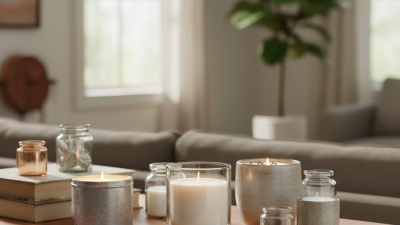
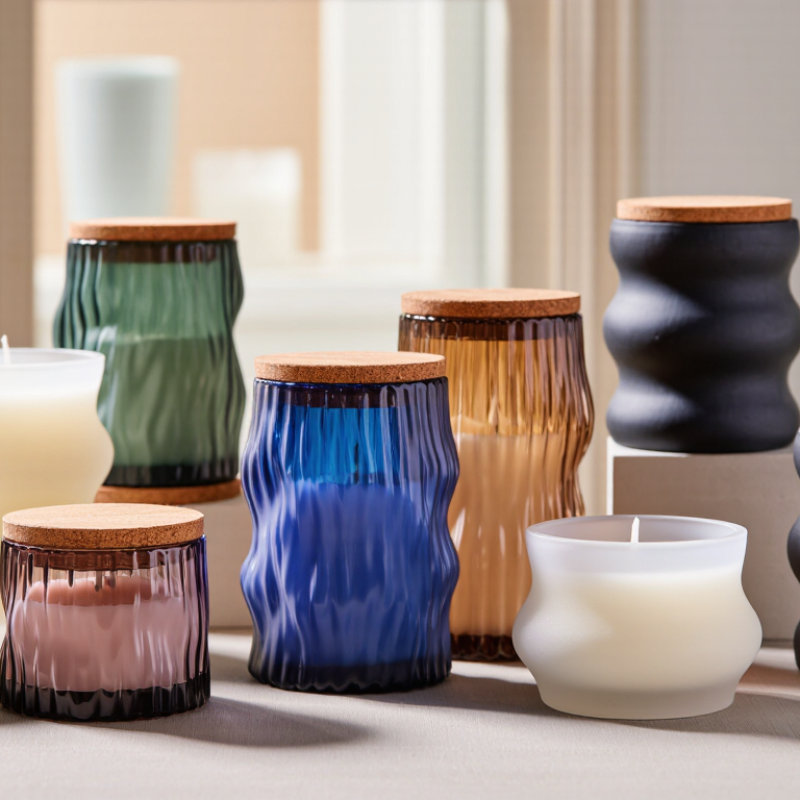
Unique Candle Jars are changing how candles look, feel, and perform on retail shelves. They may feature sculptural silhouettes, colored glass, ceramic bodies, frosted finishes, wooden lids, or unusual proportions. The jar is no longer just a container. It becomes part of the product experience.

Market evidence supports this shift. Grand View Research estimates that the global candle market reached approximately USD 12.9 billion in 2022, with continued growth projected through 2030. Its analysis connects demand with home décor, gifting, wellness routines, and premium fragrance products. The National Candle Association also identifies container candles as a major consumer format, partly because they offer convenient burning and attractive presentation. However, industry reports use different market definitions. Their figures should guide decisions, not replace product testing.

For brands, sourcing Unique Candle Jars requires more than finding an attractive shape. A professional review should examine glass or ceramic quality, heat resistance, wax compatibility, lid fit, packing protection, minimum order quantities, and supplier documentation. The European Candle Association and ASTM International provide useful safety references for candle containers and finished products. Practical testing still matters. A beautiful jar can overheat, crack, leak fragrance oil, or create an unstable flame if the design is poorly matched.

This guide explores distinctive jar styles, dependable sourcing channels, supplier evaluation, customization options, and cost considerations. It also questions a common assumption: unusual always means better. Sometimes, a simple amber jar performs more reliably than an impressive sculptural vessel. Experiences from sampling, burn tests, and small production runs often reveal what photographs hide.
What Are Unique Candle Jars and Where Can You Source Them?

Defining Unique Candle Jars and Their Distinctive Features

Unique candle jars are containers with a clear visual or functional difference from standard glass vessels. Their uniqueness may come from an unusual silhouette, textured surface, colored glass, ceramic construction, or a distinctive lid. A soft square jar can look modern, while a ribbed amber jar creates warmer shadows when the candle burns.

The best designs also support safe candle performance. Look for heat-resistant materials, stable bases, smooth interiors, and enough space between the flame and the vessel wall. A jar should feel balanced in the hand and sit firmly on a table. Decorative coatings need careful testing because some finishes may discolor or weaken under heat. Small details matter.

I have found
that unusual shapes often create filling problems. Narrow openings can trap air around the wax. That flaw is easy to miss. Before sourcing, request material specifications, internal dimensions, sample units, and test reports from the supplier. Check whether the jar tolerates repeated heating and cooling without visible cracks. Compare the lid fit, rim quality, and packaging protection as well.

Reliable suppliers should explain their production process and accept reasonable quality checks. Product photographs are useful, but they cannot reveal wall thickness or surface defects. A practical sample review should include burning, handling, cleaning, and transport simulation. Sometimes the less dramatic jar performs better. That is worth remembering.
Exploring Materials, Shapes, Finishes, and Decorative Styles

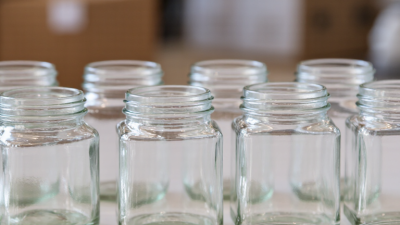
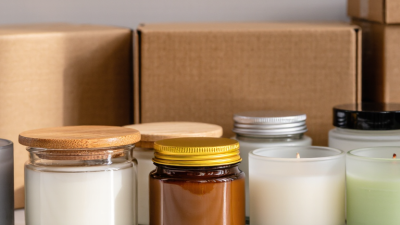
Unique candle jars are defined by thoughtful details, not unusual appearances alone. Materials strongly influence their feel, safety, and perceived value. Glass remains popular because it displays wax clearly and tolerates controlled heat. Ceramic offers a warmer, handcrafted character, especially with a matte or speckled glaze. Metal creates a lighter, travel-friendly option, but its inner coating needs careful inspection.

Shape changes how a candle sits in a room. Low, wide jars suggest calm table styling, while tall cylinders feel more architectural. Soft curves make a vessel approachable. Sharp edges create a cleaner, modern impression. I once preferred an irregular ceramic finish, yet it looked inconsistent across a full collection. That taught me an important lesson: character still needs control.

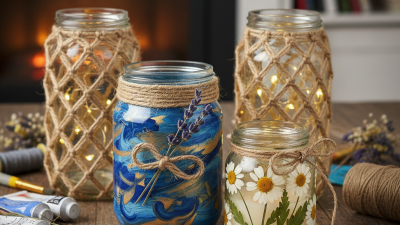
Finishes can include frosted glass, satin color, ribbed texture, or a lightly distressed surface. Decorative styles may use embossed lines, raised patterns, colored rims, or removable sleeves. Small details matter. A rough base can scratch furniture, and a narrow opening may complicate burning and cleaning. When sourcing, request physical samples and material specifications from established manufacturers or specialized wholesale suppliers. Confirm heat resistance, wall thickness, coating performance, and production tolerances. Ask whether the supplier can provide batch records and pre-production samples. Compare the jar with your intended wax and wick through controlled testing. A beautiful vessel is only a useful choice when its design survives real handling.

What Are Unique Candle Jars and Where Can You Source Them?

Exploring Materials, Shapes, Finishes, and Decorative Styles

Material selection strongly influences the appearance, heat behavior, weight, and sourcing options of a candle jar. This chart compares representative thermal conductivity values at room temperature. Glass and ceramic provide relatively low heat transfer, while aluminum transfers heat much more quickly and is commonly used for lightweight candle tins. Unique designs can further be developed through geometric, ribbed, amber, frosted, tinted, metallic, embossed, or hand-painted finishes.

Values are representative approximate figures in watts per meter-kelvin (W/m·K) and may vary according to composition, density, and manufacturing method.

Matching Candle Jar Designs with Different Product Purposes

Unique candle jars should serve the product’s purpose, not only attract attention. Through testing different vessels, I have found that shape affects burning, handling, and customer perception. A wide jar suits candles with layered fragrances or decorative wax surfaces. Its broad opening also makes the scent feel more immediate. However, it can cool unevenly if the wick is poorly selected.

For gift candles, a compact jar with thick walls often feels more substantial. Rounded glass softens the appearance and fits relaxation-focused products. A straight-sided jar looks cleaner for everyday candles, seasonal collections, or simple home décor. Dark or frosted glass can protect light-sensitive fragrances, but it may hide the wax color. That trade-off deserves attention.

Travel candles need secure lids, lighter weight, and strong resistance to temperature changes. Metal tins are practical, while small glass jars feel more premium but may break during delivery. For spa products, low-profile jars support easy access and a calm visual style. For premium lines, unusual lids, textured surfaces, or irregular silhouettes create distinction. Still, unusual does not always mean useful. I once preferred a dramatic jar until testing showed that its narrow opening made wick trimming difficult.

Before sourcing, check the jar’s heat resistance, inner diameter, lid fit, and supplier consistency. Request samples and complete burn tests with the intended wax and wick. A design may look excellent in photographs yet perform poorly on a shelf. Cost, shipping protection, and filling efficiency also matter. The best jar balances appearance, safety, usability, and the customer’s actual routine.

Evaluating Quality, Safety, Sustainability, and Customization Options

Unique candle jars can combine visual character with dependable performance. I look for thick, heat-resistant glass, a stable base, and smooth inner walls. Uneven rims may affect sealing and create handling risks. Each jar should undergo burn testing with the chosen wax, fragrance load, and wick. A beautiful vessel is not automatically a safe vessel.

Sustainability needs evidence, not attractive wording. Ask suppliers about recycled content, material traceability, and packaging reduction. Refillable jars usually create more value than single-use designs. Ceramic and concrete options can look distinctive, but porous surfaces may absorb oils or moisture. I once preferred an unusual textured jar, then noticed soot collected inside its grooves. That detail changed my evaluation.

Tips: Request physical samples before placing a bulk order. Check wall thickness, lid fit, odor, and surface defects. Ask for test records and recommended fill limits. Compare customization options, including colors, molds, labels, and small-batch quantities. Suppliers with clear specifications and responsive communication are easier to assess. Still, certificates do not replace independent testing. My process is practical, but it is not perfect; repeated testing remains necessary when materials or formulas change.

What Are Unique Candle Jars and Where Can You Source Them? — Evaluating Quality, Safety, Sustainability, and Customization Options

Unique Jar Type Typical Material Distinctive Features Quality Evaluation Safety Considerations Sustainability Profile Customization Options Suitable Candle Styles Common Sourcing Channels
Colored Glass Jar Container glass with transparent, frosted, or opaque coating Rich color effects, light diffusion, and strong shelf presence High
Check for uniform walls, stable bases, smooth rims, and consistent color.
Use heat-resistant glass intended for candles; inspect for cracks, chips, and coating damage before filling. Glass is widely recyclable, although coatings and mixed components may affect recycling efficiency. Color matching Logo printing Frosting Labeling Decorative, floral, seasonal, and premium scented candles Specialty glass manufacturers, packaging wholesalers, and custom packaging platforms
Amber Glass Jar Heat-resistant amber container glass Warm apothecary appearance and partial protection from ultraviolet light High
Look for even amber coloration, a flat base, and a clean interior surface.
Confirm candle-grade heat performance and maintain adequate clearance between the flame and the rim. Reusable and recyclable where glass collection systems are available; metal lids should be separated when required. Screen printing Embossed labels Metal lid finishes Herbal, woodsy, minimalist, and apothecary-inspired candles Glass packaging distributors, candle-container suppliers, and wholesale marketplaces
Ceramic Vessel Glazed or unglazed ceramic Handcrafted appearance, substantial weight, and broad shape flexibility Medium to High
Assess glaze consistency, wall thickness, flatness, and resistance to crazing or pinholes.
Avoid vessels with hidden cracks or porous interiors; test each form for heat distribution and thermal shock. Durable and potentially reusable, but firing requires significant energy and ceramic recycling is limited in many areas. Custom shapes Glaze colors Relief details Decals Artisan, luxury, sculptural, and gift candles Ceramic workshops, pottery manufacturers, craft suppliers, and made-to-order studios
Concrete or Cement Jar Concrete, cement composite, or mineral-based composite Industrial texture, high weight, and a handmade visual character Medium
Check for sealed interiors, stable bases, consistent curing, and freedom from crumbling particles.
The interior should be properly sealed to prevent oil absorption; sharp edges and surface dust must be controlled. Long service life and potential for reuse, but production is material- and energy-intensive. Pigment colors Texture effects Engraving Custom molds Modern, architectural, masculine, and outdoor-themed candles Decorative casting studios, mold suppliers, artisan workshops, and custom manufacturers
Metal Tin Tinplate or aluminum Lightweight, stackable, travel-friendly, and commonly available with lids High
Inspect seams, lid fit, coating integrity, and resistance to dents or rust.
Use candle-suitable internal coatings and monitor heat at the sidewalls during burn testing. Lightweight for transport and widely recyclable where metal collection exists; coatings may affect processing. Full-wrap printing Embossing Lid graphics Multiple sizes Travel, camping, promotional, and seasonal candles Packaging wholesalers, metal-container manufacturers, and craft supply distributors
Wooden Vessel Hardwood, bamboo, or engineered wood with an inner liner Natural tactile appeal and a distinctive premium presentation Medium
Verify moisture control, dimensional stability, smooth finishing, and the presence of a suitable inner liner.
Wood must not be exposed directly to the melt pool or flame; use a tested internal container and maintain a safe rim height. Renewable potential depends on responsible sourcing, durability, adhesives, coatings, and end-of-life separation. Laser engraving Wood species Lid design Natural finishes Rustic, wellness, eco-themed, and premium gift candles Wood-product manufacturers, packaging specialists, craft suppliers, and custom woodworking studios
Recycled Glass Jar Glass containing a stated percentage of post-consumer or post-industrial cullet Subtle color variation and a sustainability-focused product story Medium to High
Request material-content documentation and check for bubbles, uneven walls, and base stability.
Perform vessel-specific burn testing because recycled content can influence thickness, shape, and thermal behavior. Can reduce demand for virgin raw materials; actual benefits depend on recycled content and manufacturing energy. Natural color variation Paper labels Screen printing Refill systems Eco-conscious, minimalist, refillable, and lifestyle candles Specialty sustainable-packaging suppliers, glass manufacturers, and verified wholesale distributors
Refillable Vessel System Reusable glass, ceramic, or metal outer vessel with a replacement insert Designed for repeated use and reduced packaging replacement High
Evaluate insert fit, removal method, dimensional consistency, and resistance to repeated heating cycles.
Ensure the refill sits securely, leaves adequate clearance, and does not create gaps that could destabilize the flame. May lower material use over multiple uses, provided customers actually reuse the vessel and inserts are efficiently packaged. Interchangeable inserts Lid systems Custom dimensions Instruction cards Subscription, premium, wellness, and low-waste candle collections Packaging engineers, candle-component suppliers, and custom product-development manufacturers
Decorative Molded Glass Pressed or molded glass with ribbed, geometric, or sculptural details Light-catching surface patterns and strong visual differentiation High
Check pattern consistency, wall thickness, rim smoothness, and resistance to stress points.
Deep patterns should not compromise vessel strength; complete burn testing is required for every new shape. Reusable and recyclable in suitable systems, though heavier designs may increase shipping emissions. Custom mold design Relief patterns Tinting Decorative lids Statement, wedding, hospitality, and premium collection candles Glass mold manufacturers, packaging design firms, and specialized candle suppliers
Paperboard Composite Container Rigid paperboard with an internal moisture- and heat-resistant barrier Low-weight structure with broad opportunities for printed graphics Medium
Confirm barrier performance, dimensional stability, adhesive quality, and compatibility with wax and fragrance oils.
The inner barrier must remain intact throughout the burn; keep the container away from excessive external heat. May reduce weight, but recyclability depends on whether paper fibers can be separated from coatings and liners. Full-color printing Special finishes Die-cut sleeves Low minimum options Promotional, seasonal, subscription, and design-led candles Paper packaging converters, sustainable-packaging suppliers, and custom print manufacturers
Evaluation criteria are general industry considerations. Every new vessel, wax formula, wick, fragrance load, and fill level should undergo documented burn and stability testing before commercial release.

Finding Reliable Sources for Unique Candle Jars and Comparing Suppliers

Unique candle jars can feature unusual silhouettes, textured glass, ceramic finishes, or reusable lids. When sourcing them, reliability matters more than novelty. Start with the material. Heat-resistant glass and properly fired ceramic reduce breakage during normal candle use. Ask suppliers about wall thickness, inner diameter, lid fit, and wax compatibility. Request clear product drawings, dimensions, and current test reports before discussing large quantities.

Photos are not enough. Order samples from several suppliers and inspect them under strong light. Look for bubbles, uneven rims, hairline cracks, and loose lids. Test filling, cooling, labeling, and packing conditions. A reliable supplier should explain minimum order quantities, sample fees, production times, carton design, and replacement procedures. Clear answers usually indicate stronger production control.

Compare suppliers with the same checklist. A low unit price can hide costly packaging or high defect rates. Review sample consistency, communication speed, payment terms, and batch traceability. I once focused too heavily on appearance and overlooked the jar’s narrow opening. That was inconvenient. Now, I check pouring access and cleaning practicality before approval. Still, personal preference can mislead; customer handling tests may reveal problems that samples conceal. Keep written records, confirm every specification, and avoid changing materials without a new sample review.