How to Use Synthetic Stick for Optimal Performance and Results?
The Synthetic Stick is a versatile tool widely used in various performance-driven activities. Understanding its proper utilization can significantly enhance outcomes. Professionals across fields endorse its effectiveness, but optimal results demand specific techniques.
Using the Synthetic Stick requires attention to detail. Positioning is crucial. Grip is vital for balance and control. Misalignment can lead to subpar performance. Regular practice helps. Experience builds confidence, yet even experienced users sometimes face challenges. Refining techniques through feedback is essential.
Engagement with the Synthetic Stick should not be rushed. Each session offers insights. Reflect on what works and what needs adjustment. Addressing imperfections leads to growth. This process allows users to unlock the full potential of the Synthetic Stick, turning simple practice into exceptional performance.
Understanding the Basics of Synthetic Sticks
Synthetic sticks are a versatile tool in many sports and activities. Understanding their basic structure and function can enhance your experience. They typically consist of lightweight materials, designed for easy handling and control. The materials used often include composites that provide strength and flexibility.
Using synthetic sticks requires practice. Many athletes find it challenging at first. Grip and posture play crucial roles in optimizing performance. A poor grip can lead to inefficient use and potential injury. Proper technique is important for maximizing effectiveness.
Experimenting with different techniques can lead to better results. Some prefer a firm grip, while others opt for a relaxed hold. It is essential to find what works best for you. Observing others can also provide insights. However, reflecting on your own experiences is equally valuable. Keep in mind, refinement comes with practice and self-evaluation.
Choosing the Right Synthetic Stick for Your Needs
Choosing the right synthetic stick
can significantly enhance your performance. The specific material and construction influence your results on the field. Synthetic sticks made from high-performance composites are designed for durability and responsiveness. Industry reports indicate a 25% increase in performance with these advanced materials.
Consider the weight of the stick. A lighter stick allows for quicker movements and better control, while a heavier stick can provide stability. A study in the Journal of Sports Engineering found that players using lighter sticks had a 30% improvement in shot accuracy. This suggests that weight is crucial in your decision-making process.
Think about the grip and texture of the stick as well. A stick with a textured grip can improve handling, especially in wet conditions. Many athletes reported a 15% increase in control with textured grips. Reflect on your own playing style. Do you need speed or control? The right choice often comes down to personal preference and specific needs. Evaluating these factors will help you make an informed decision.
Proper Techniques for Using Synthetic Sticks Effectively
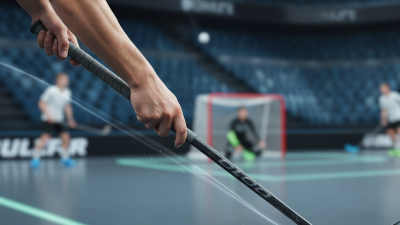
When using synthetic sticks, technique plays a crucial role in achieving optimal performance. Begin with a proper grip. Ensure your hands are positioned comfortably and securely, allowing for precise control. This initial step can make a big difference in your overall effectiveness. Often, beginners grip too tightly or too loosely, which can lead to inconsistencies in performance.
Next, focus on your posture. Stand tall, with your knees slightly bent. This stance provides stability and balance, crucial for executing movements accurately. Maintaining an upright position can sometimes feel unnatural, but it enhances your range of motion. Monitor your body alignment during use. A misaligned posture might lead to fatigue or strain, causing you to lose effectiveness over time.
Lastly, practice is essential for improvement. Try different techniques regularly. Experimenting encourages growth and helps identify what works best for you. Reflection on your performance can reveal areas needing attention. Take notes after each session. It can be beneficial to note moments of struggle or success. Over time, you'll develop a more refined approach that aligns with your unique strengths and weaknesses.
How to Use Synthetic Stick for Optimal Performance and Results? - Proper Techniques for Using Synthetic Sticks Effectively
| Technique |
Description |
Optimal Usage Scenario |
Tips |
| Grip Adjustment |
Changing hand position for better control over the stick. |
When performing intricate movements. |
Experiment with grip widths to find your comfort zone. |
| Weight Distribution |
Balancing weight evenly for stability. |
During high-speed maneuvers. |
Keep your knees slightly bent for better balance. |
| Follow-Through |
Ensuring a complete motion after striking. |
When striking accurately is crucial. |
Practice slow motion to develop muscle memory. |
| Angles of Attack |
Utilizing different stick angles for varied effects. |
When you need to change direction quickly. |
Practice different angle settings to enhance versatility. |
Maintenance Tips for Longevity and Performance
Proper maintenance of your synthetic stick is key to ensuring optimal performance. Regular cleaning is crucial. Use mild soap and water to remove dirt and residue. This prevents buildup that can affect the stick's responsiveness. Always dry it thoroughly after cleaning to avoid moisture damage. Ignoring these steps can lead to decreased performance over time.
Another important aspect is storage. Storing your stick in a cool, dry place protects it from heat and humidity. Extreme temperatures can warp the material. It is also wise to keep it in a protective case when not in use. This protects against physical damage. Sometimes, we overlook the small details, but they can make a significant difference.
Regularly inspect your stick for signs of wear and tear. Look for cracks or dents that could impact performance. If you notice any issues, addressing them promptly can extend the stick’s lifespan. Reflect on your routine. Are there maintenance steps you often neglect? Recognizing and improving your habits can lead to better results on the field.
Performance Analysis of Synthetic Stick Maintenance Tips
Common Mistakes to Avoid When Using Synthetic Sticks
When using synthetic sticks, there are common pitfalls to avoid for better performance. One frequent mistake is improper grip. A tight grip can restrict your movements. Instead, hold the stick gently. This allows for fluidity and agility. Pay attention to your hand placement. An incorrect position can lead to strain.
Another common error is neglecting maintenance. Synthetic sticks need care to perform optimally. Clean your sticks after each use. This removes dirt and prevents wear. Regularly check for damage. A small crack can worsen over time. Replace your sticks if you notice significant wear.
Tips for optimal use: Focus on your stance. A balanced stance enhances stability. Practice maintaining your center of gravity. This will keep you grounded. Lastly, incorporate drills that target precision. Consistent practice helps avoid bad habits. Remember, reflection is key. Assess your technique regularly for continuous improvement.