
Leave Your Message

Why Choose Rattan Stick Diffusers for Your Business?

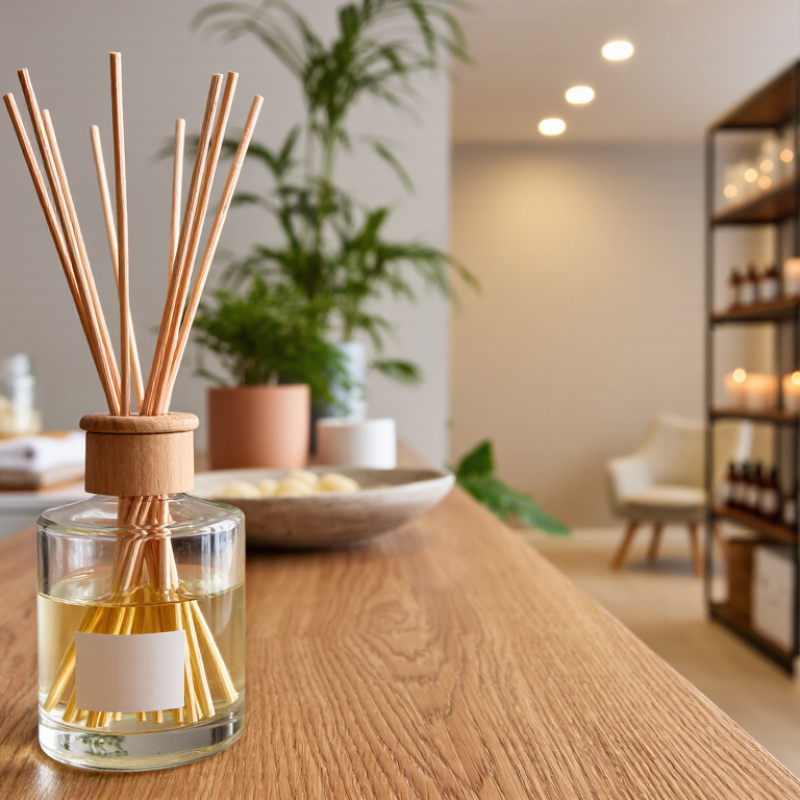
Many businesses choose a Rattan Stick Diffuser to create a welcoming atmosphere without electricity, flames, or complicated equipment. Its natural reeds absorb fragrance oil and release a steady scent through the surrounding air. This simple design suits boutiques, salons, hotels, offices, and wellness studios.

In a retail setting, the diffuser can sit beside a reception desk or product display. Rattan sticks add texture, while carefully selected fragrance supports the brand’s visual identity. Guests may notice a clean citrus note near the entrance or soft lavender in a treatment room. These details can make a space feel more considered and memorable.

Practical experience still matters. Fragrance strength depends on room size, ventilation, oil quality, and the number of reeds used. A large lobby may need more diffusion than a small consultation room. Turning the sticks periodically can refresh the scent, although overusing reeds may make the aroma too strong. That balance takes testing.

It is not a perfect solution.

Some customers may prefer unscented spaces. Others may react negatively to certain fragrance profiles. Businesses should review supplier information, use clear product guidance, and avoid unsupported wellness claims. Reliable sourcing also matters, especially when selecting natural rattan, stable fragrance oils, and secure packaging. By tracking customer feedback and replacement rates, owners can judge whether this low-maintenance option genuinely supports their commercial goals. The best choice is not always the most attractive one. It is the one that performs consistently, fits the space, and respects customer comfort.
Why Choose Rattan Stick Diffusers for Your Business?

What Are Rattan Stick Diffusers and How Do They Work?

Rattan stick diffusers are simple, passive fragrance systems. They use dried rattan reeds, a glass vessel, and a liquid fragrance base. Unlike solid wood, rattan contains open channels that help liquid travel upward. This process is called capillary action. As the liquid reaches the exposed reeds, it slowly evaporates into surrounding air. No flame or electrical outlet is required. That makes the format practical for reception desks, guest rooms, retail counters, and office entrances. Small details matter. Reed length, channel quality, oil viscosity, and room airflow all affect performance.

During practical testing, turning the reeds increased scent release. It also shortened product life. More reeds do not always mean better results. A crowded bundle can become saturated and waste fragrance near the container. Start with four or five reeds, then adjust after one day. Place the diffuser away from direct sunlight, heaters, and strong drafts. Heat speeds evaporation, while drafts scatter fragrance unevenly. Use a stable vessel and keep the liquid off finished surfaces. Some fragrance bases may mark wood, stone, or painted furniture.

For business use, consistency is more valuable than an intense first impression. Choose a fragrance strength suited to the room’s size and visitor sensitivity. Keep refill records, because scent perception can fade gradually. Rattan can be renewable when responsibly harvested, but quality varies between suppliers and batches. Inspect reeds for blocked channels, dust, or uneven thickness. One limitation deserves honesty: passive diffusers cannot deliver precise output like controlled machines. They also perform differently during humid and dry seasons. Test carefully before placing them throughout a property.

Key Benefits of Rattan Stick Diffusers for Businesses

Rattan stick diffusers offer businesses a simple way to create a consistent sensory atmosphere without electricity, heat, or open flames. Their porous structure helps absorb fragrance oil and release it gradually through the reed surface. In reception areas, treatment rooms, boutiques, and meeting spaces, this can support a more welcoming customer experience. The scent feels present, not aggressive.

Their low maintenance is a practical advantage. Staff can place the diffuser near an entrance, counter, or waiting area and check it during routine cleaning. Turning the reeds occasionally may refresh the aroma, although frequent turning can shorten the product’s lifespan. A larger room may require more reeds, while a small office often needs fewer. Real results depend on airflow, temperature, humidity, and oil formulation.

The natural appearance also suits businesses that prefer warm, understated interiors. Rattan reeds can complement wood, stone, linen, and neutral displays without demanding attention. Still, they are not perfect. Fragrance control is less precise than with programmable systems, and spills may damage unfinished surfaces. Businesses should test the diffuser in a quiet area before using it near customers. Clear ingredient information and sensible placement matter, especially for guests sensitive to strong scents. A regular inspection can reveal evaporation, dust, or uneven diffusion before these details affect the customer experience.

How to Select Rattan Sticks for Different Fragrance Products

Why Choose Rattan Stick Diffusers for Your Business?

Selecting rattan sticks starts with the fragrance formula. Thin sticks usually suit light, low-viscosity oils and small bottles. They absorb quickly and release scent gently. Thicker sticks work better with richer formulas, but they may diffuse more slowly. For large reed diffusers, choose longer sticks with consistent diameters. They create a stronger visual presence and help spread fragrance above wider vessels.

Surface quality matters. Natural rattan contains tiny channels that carry fragrance upward. Look for straight, clean sticks without heavy dust, cracking, or oily residue. Check that each batch has similar length and weight. Uneven sticks can make one product smell stronger than another. I recommend testing samples for three to seven days. Record scent strength, liquid movement, and any color changes. There is no perfect stick. Formula temperature and room airflow can change the result.

Tips: Match stick length to bottle height and neck width. Test thin and thick options with the same fragrance. Store unused sticks in a dry, sealed place. Avoid choosing by appearance alone. A pale stick may look attractive but perform poorly. Small tests prevent expensive packaging changes later. Also, review performance after several weeks, because early diffusion results can be misleading.

Business Applications Across Retail, Hospitality, and Wellness

Rattan stick diffusers offer a practical scent solution for retail, hospitality, and wellness businesses. Their simple design suits counters, shelves, reception desks, and guest rooms. Natural rattan reeds draw fragrance upward through capillary action. This creates a steady aroma without batteries, flames, or visible equipment. In retail stores, a soft scent can support product presentation and influence how customers experience the space. The fragrance should remain subtle. Strong aromas may distract shoppers or cause discomfort. Small test areas help teams measure customer reactions before wider placement.

Hospitality businesses can use diffusers near reception areas, lounges, and private rooms. Rattan sticks require little daily attention, but staff should inspect liquid levels and replace saturated reeds. Placement matters. Avoid direct sunlight, unstable surfaces, and areas where guests may knock the container over. Wellness studios often choose calm, clean fragrance profiles for treatment rooms and waiting areas. However, scent preferences vary widely. Some visitors may be sensitive to fragrance. Clear ventilation practices and local safety guidance remain important. Follow the product’s handling instructions and keep liquids away from children and pets.

The weak point is consistency. Natural reeds can differ in thickness and absorption speed. A diffuser may smell stronger on Monday than Friday. That is not a failure, but it needs monitoring. Record placement, reed quantity, and customer feedback. Adjust slowly. A beautiful container alone cannot create a professional atmosphere. Reliable results come from testing, careful maintenance, and respect for different comfort levels.

Sustainability, Cost, and Maintenance Considerations

Rattan stick diffusers can support a practical sustainability strategy, but rattan is not automatically sustainable. Choose sticks with traceable sourcing, while using recyclable glass and low-ink paper packaging. The United Nations Environment Programme projects municipal solid waste will rise from 2.3 billion tonnes in 2023 to 3.8 billion tonnes by 2050. Material reduction therefore matters. Smaller cartons and refill bottles can reduce storage space, shipping weight, and disposal pressure.

Cost needs a wider calculation. Passive diffusion uses no electricity, unlike plug-in or heated fragrance devices. That can reduce energy use across hotels, offices, and retail spaces. However, fragrance oil evaporates continuously. High room temperature and airflow can shorten service life. Grand View Research valued the global home fragrance market at approximately US$13.6 billion in 2023, with continued growth expected through 2030. This signals demand, but not guaranteed profit. A buyer should test monthly consumption, refill prices, breakage rates, and staff time.

Maintenance is simple, not absent. Dust the reeds and keep containers upright on stable trays. Replace saturated or dusty sticks during scheduled room checks. Never assume stronger fragrance means better performance. Follow supplier safety data and relevant IFRA guidance, especially near children, pets, food, or sensitive occupants. The calculation is not always tidy. A cheaper diffuser may need more frequent refills, creating extra labor and waste. Small pilot trials often reveal these hidden costs before large-scale purchasing.

Why Choose Rattan Stick Diffusers for Your Business? - Sustainability, Cost, and Maintenance Considerations

Business Consideration Rattan Sticks Reed-Based Fiber Sticks Plastic Sticks Business Implication
Primary material Natural rattan cane, a fast-growing plant material Manufactured cellulose or synthetic fiber strands Petrochemical-based polymer Rattan provides a natural appearance that supports eco-conscious product positioning.
Renewable-material profile Renewable when sourced from responsibly managed plantations or forests Depends on the proportion of renewable or recycled content Generally non-renewable because it is made from fossil-based plastic Request supplier information on harvesting practices, processing, and material composition.
End-of-life profile Untreated rattan can biodegrade under suitable composting or natural conditions May be recyclable or biodegradable depending on binders, coatings, and composition Usually persists for a long period and is not commonly accepted in household recycling Natural reeds can help reduce material concerns, but adhesives, coatings, and fragrance residues should be considered.
Typical service life in a diffuser Approximately 2–4 months, depending on oil formulation, reed diameter, room conditions, and exposure Approximately 3–6 months, depending on fiber structure and formulation Approximately 3–6 months, although absorption and fragrance release can vary significantly Replacement intervals should be communicated clearly to customers and included in replenishment planning.
Typical material cost per 100 sticks Approximately US$2–8 at bulk purchasing volumes Approximately US$4–12 at bulk purchasing volumes Approximately US$3–10 at bulk purchasing volumes Actual pricing varies with length, diameter, finish, packaging, order quantity, and freight costs.
Absorption and fragrance diffusion Good passive capillary action through the natural porous structure Often high and consistent because the fiber structure is engineered Usually lower absorption than porous natural or fiber materials Rattan offers a practical balance between diffusion performance, appearance, and material cost.
Maintenance requirement Turn sticks occasionally; replace when saturated, dusty, or fragrance output declines Turn sticks occasionally; replace when clogged or performance declines Wipe or replace when dusty; turning may provide limited performance improvement Simple maintenance makes rattan suitable for retail, hospitality, offices, and gift products.
Risk of clogging Moderate Low to moderate Low absorption-related clogging, but weaker wicking may occur Use a properly balanced diffuser base and filter fragrance oils before filling containers.
Visual presentation Warm, natural, textured, and compatible with minimalist or craft-style packaging Uniform, clean, and modern Uniform and highly consistent, but often less natural in appearance Rattan can strengthen a product’s tactile and natural design language without adding complex components.
Quality-control considerations Check length, diameter, straightness, dryness, cleanliness, mold, and surface treatment Check fiber density, consistency, shedding, and chemical compatibility Check dimensions, surface finish, brittleness, and compatibility with the fragrance base Incoming inspection helps reduce uneven diffusion, breakage, contamination, and customer complaints.
Best fit for business use Natural-positioned home fragrance, hospitality amenities, gift sets, and refill programs High-output products requiring consistent diffusion and standardized appearance Applications prioritizing durability, uniformity, or resistance to moisture Rattan is especially suitable when sustainability messaging, visual appeal, and controlled operating cost are priorities.

Planning note: Cost and service-life figures are indicative bulk-purchasing ranges rather than fixed quotations. Actual results depend on reed dimensions, diffuser-base viscosity, fragrance concentration, temperature, humidity, airflow, storage conditions, and supplier specifications.