Top 10 Aromatherapy Candles for Global Buyers to Consider?
Aromatherapy candles have become increasingly popular in recent years. According to a report by MarketWatch, the global aromatherapy market is projected to reach over $4.2 billion by 2026. This growth reflects a rising interest in natural wellness products. Aromatherapy candles blend essential oils with wax to enhance mood and create a calming atmosphere.
These candles not only provide fragrance but also therapeutic benefits. Scents like lavender promote relaxation, while citrus scents can uplift your spirits. However, not all candles are created equal. Some may contain synthetic fragrances that could detract from their intended benefits. Choosing quality is crucial for a satisfying experience.
As global consumers look for premium aromatherapy candles, it's essential to consider options that prioritize natural ingredients and sustainable practices. The industry is evolving, and transparency in sourcing is becoming a key consideration for buyers. While many brands market their products effectively, discerning consumers may need to research deeper to ensure their choices align with health and environmental values.
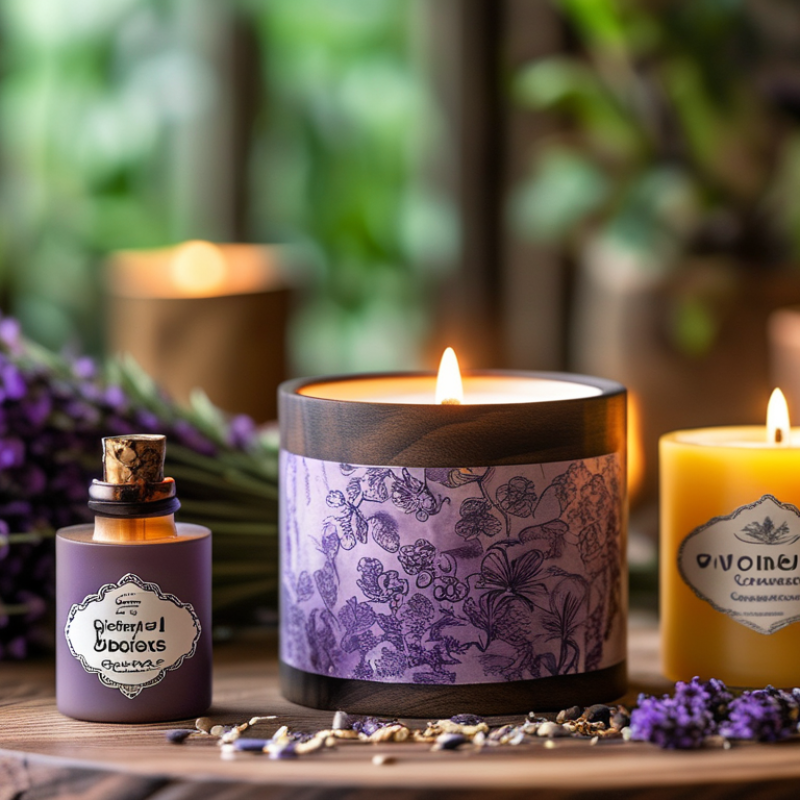
Understanding Aromatherapy Candles and Their Benefits
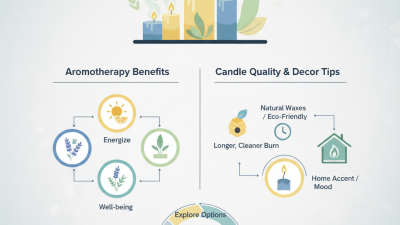
Aromatherapy candles offer more than mere fragrance. They harness essential oils known for their healing properties. When lit, they release soothing aromas that can alter your mood and enhance relaxation. Scents like lavender and eucalyptus are popular for reducing stress. Others, like citrus, can invigorate your spirits.
Choosing the right candle matters. Look for natural ingredients—these provide a cleaner burn. Some candles use synthetic fragrances, which may be harmful. Investing in quality options ensures a safer experience. Moreover, consider the candle’s burn time and the intensity of its scent. This can affect how long you enjoy its benefits.
Lighting a candle is easy, yet many overlook its potential drawbacks. The wax and wicks can contribute to indoor air pollution. Reflect on the space you use them in. Proper ventilation helps reduce any negative impact. Each candle offers a unique experience and its own set of advantages. Finding the one that resonates with you may take time. It’s a personal journey of exploration.
Key Ingredients to Look for in Aromatherapy Candles
When selecting aromatherapy candles, it's crucial to pay attention to key ingredients. Essential oils play a vital role in their effectiveness. Popular oils include lavender, eucalyptus, and tea tree. According to a 2021 market research report, essential oils are projected to account for over 30% of the global aromatherapy market by 2026. This reflects a growing interest in natural remedies.
Soy wax is another essential ingredient to consider. It burns cleaner than traditional paraffin wax, reducing indoor pollution. Additionally, soy wax has a slower burn time. A study found that soy candles can last up to 50% longer than paraffin candles. This makes them a preferable choice for many eco-conscious buyers.
Fragrance blends are also important. Oils derived from citrus fruits can uplift mood, while floral notes may promote relaxation. However, not all candles list their fragrances clearly. This lack of transparency can be frustrating for consumers seeking quality products. Research highlights the importance of understanding these elements to make informed choices. Sourcing candles that prioritize natural ingredients can enhance both well-being and environment.
Top Brands of Aromatherapy Candles for Global Buyers
When choosing aromatherapy candles, brand reputation matters. Look for companies known for quality and safety. This establishes trust. Good brands use natural ingredients and provide clear labeling. Transparency fosters confidence in their products.
Many consumers struggle with finding the right scent. Every individual has unique preferences. Floral, citrus, or earthy notes may appeal differently to each person. Experimenting with various fragrances is essential. You might find joy in unexpected combinations.
Here’s a tip: always burn candles in a well-ventilated area. This enhances the overall experience and helps avoid overwhelm. Consider the size of the room, too. Larger spaces may require stronger scents. Be mindful of your choices, as certain scents can evoke memories or emotions.
Personal connection to a scent can be powerful. It might remind you of a place or person. This is where the beauty of aromatherapy lies. Embrace the journey of finding your perfect candle, as it encourages personal growth and reflection.
Top 10 Aromatherapy Candles for Global Buyers
| Candle Type |
Main Scent |
Burn Time |
Price Range |
Eco-friendly |
| Soy Wax |
Lavender |
50 hours |
$20 - $30 |
Yes |
| Beeswax |
Vanilla |
40 hours |
$25 - $35 |
Yes |
| Paraffin |
Eucalyptus |
30 hours |
$10 - $15 |
No |
| Coconut Wax |
Rose |
60 hours |
$30 - $40 |
Yes |
| Blend Wax |
Citrus |
45 hours |
$15 - $25 |
Yes |
| Palm Wax |
Woodsy |
35 hours |
$18 - $28 |
Yes |
| Mixed Wax |
Mint |
55 hours |
$22 - $32 |
Yes |
| Gel Wax |
Peach |
25 hours |
$12 - $18 |
No |
| Luxury Blends |
Sandalwood |
70 hours |
$40 - $60 |
Yes |
Considerations for Selecting Aromatherapy Candles
When selecting aromatherapy candles, consider the wax type. Natural waxes like soy and beeswax burn cleaner than paraffin. They release fewer toxins into the air. This is crucial for indoor air quality. Additionally, the fragrance strength can vary widely. Strong scents can overwhelm, while subtle scents may not deliver the desired effect. Knowing your preferences will enhance your aromatherapy experience.
Another important factor is the candle's burn time. Longer-burning candles might seem economical but can lack the quality of shorter burn times. Check the wick type too. Wooden wicks produce a crackling sound reminiscent of a fireplace. Cotton wicks tend to burn more evenly. Both have their own unique charm and effects.
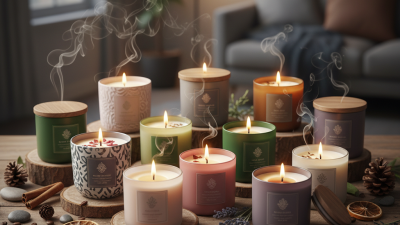
Thinking about the candle's overall design is vital as well. Aesthetics can influence your mood and space. Candles with beautiful containers can serve as decor even when not lit. Reflecting on your environment can lead to better choices. It’s also helpful to read user reviews for honesty about performance. Certain candles look appealing but may not meet quality expectations. Stay mindful that not every option will fit your needs perfectly.
Sustainable and Eco-Friendly Aromatherapy Candle Options
Aromatherapy candles offer a unique blend of relaxation and ambiance. As awareness grows about environmental issues, sustainable options become increasingly popular. Eco-friendly candles are often made from natural wax, such as soy or beeswax. These materials burn cleaner, producing less soot and harmful chemicals.
Soy candles, for instance, support local farmers and reduce the carbon footprint. Beeswax, on the other hand, is biodegradable and can purify the air. Look for candles with cotton or wood wicks. These alternatives help ensure a clean burn, avoiding toxic materials used in synthetic wicks.
Choosing essential oils is crucial as well. Natural oils not only provide therapeutic benefits but also enhance the candle's scent. Be cautious, though. Some scents may trigger allergies. Always check labels for fully plant-based ingredients. Find options that minimize packaging. It reflects your commitment to the environment while enjoying a calming atmosphere. Intentionally selecting these candles can elevate your space while promoting sustainability.