What is a Glass Bottle and Why is it Popular in Modern Packaging?
In the modern packaging landscape, the glass bottle stands out as a symbol of both functionality and sustainability. Renowned expert Dr. Emily Carter, a specialist in packaging materials, emphasizes its appeal: "A glass bottle not only protects the contents but also enhances consumer experience." This quote highlights the dual role of glass bottles in preserving product integrity while delivering aesthetic value.
Glass bottles have gained popularity due to their versatility. They are used across various industries, from beverages to perfumes. Their ability to maintain temperature and flavor integrity is unmatched, making them ideal for everything from wine to juices. Many consumers associate glass with quality, which enhances brand prestige. However, the heavy weight of glass can be seen as a drawback in shipping and handling.
Moreover, the environmental impact of glass bottles invites discussion. While they are recyclable, not all consumers take advantage of this. There's a growing need for education about recycling. Acknowledging these challenges can lead to better solutions. The glass bottle industry is evolving, aiming to strike a balance between aesthetic appeal and environmental responsibility.
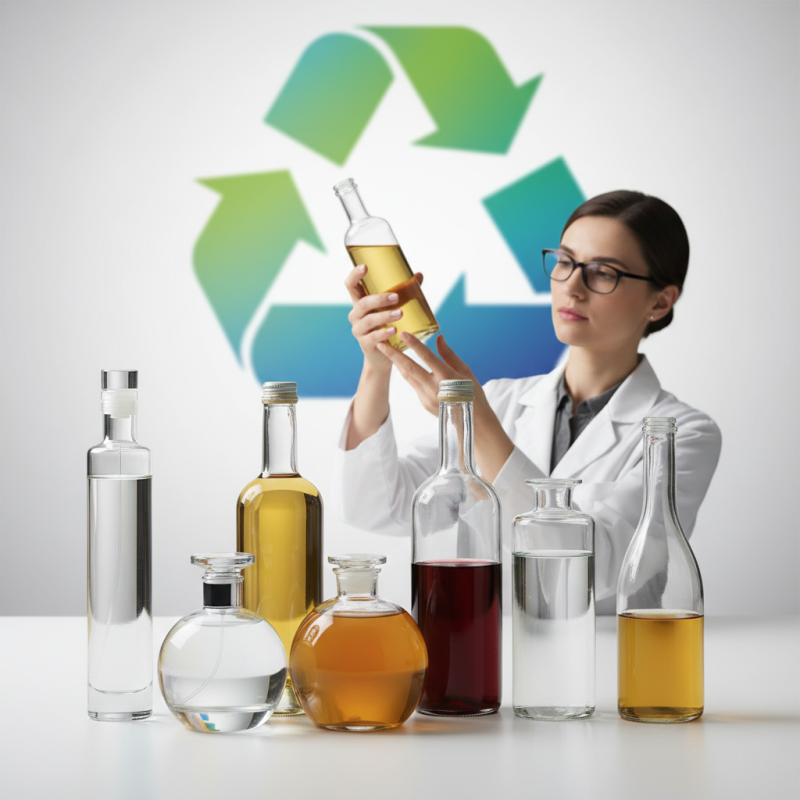
Definition and Composition of Glass Bottles
Glass bottles are a staple in modern packaging due to their unique properties and versatility. Made primarily from silica sand, soda ash, and limestone, the composition of glass allows for a non-reactive, inert container. This means that glass does not leach harmful chemicals into its contents, making it a preferred choice for food and beverages. According to a report by the Glass Packaging Institute, over 80% of consumers perceive glass as a healthier option compared to plastic.
The manufacturing process of glass bottles involves high-temperature melting, shaping, and cooling. This process creates a durable and aesthetically pleasing product. Interestingly, glass packaging can be recycled endlessly without loss of quality, a significant advantage over many other materials. The recycling rates for glass have risen, with data indicating that nearly 36% of glass containers were recycled in the United States in 2021. However, challenges remain, as logistics and consumer behavior still impact recycling efficiency.
Despite its many benefits, glass packaging is not without its drawbacks. Its weight and fragility can pose risks during transportation and handling. Additionally, the energy-intensive production process raises sustainability concerns. As manufacturers seek to balance these aspects, innovation in glass production is crucial. Exploring alternative compositions or enhancing recycling processes could improve the sustainability of glass bottles further.
What is a Glass Bottle and Why is it Popular in Modern Packaging? - Definition and Composition of Glass Bottles
| Dimension |
Description |
| Material |
Primarily composed of silica (sand), soda (sodium carbonate), and lime (calcium oxide). |
| Recyclability |
Highly recyclable and can be reused multiple times without losing quality. |
| Durability |
Strong and resistant to degradation, glass bottles protect contents from external contaminants. |
| Taste Preservation |
Non-reactive nature ensures that contents maintain their original taste and freshness. |
| Aesthetic Appeal |
Clear or colored glass provides an attractive look, making it popular for consumer products. |
| Safety |
Inert material minimizes the risk of harmful chemical leaching into contents. |
| Environmental Impact |
More environmentally friendly compared to plastic, especially when recycled. |
Historical Evolution of Glass Bottles in Packaging
The history of glass bottles dates back thousands of years. The earliest known glass-making traces can be found in ancient Mesopotamia around 2000 BC. These primitive forms were often handcrafted. As civilizations evolved, so did glass-making techniques. By the Roman era, glass bottles became more widespread. They were essential for storing oils, perfumes, and medicines.
The art of glassblowing emerged during the first century BC, allowing for more intricate designs. This led to a variety of shapes and sizes, enhancing practicality. Jumping to the 18th century, glass bottles became emblematic of advancements in both industry and artistry. However, challenges remained. The fragility of glass posed risks during transport.
In the modern context, glass bottles have gained renewed interest. Their aesthetic appeal and recyclability attract consumers. Yet, the weight and breakable nature can deter some users. While glass can offer superior preservation, it requires careful handling. This begs the question of whether glass will maintain its place in an increasingly convenience-driven market.
Advantages of Glass Bottles in Modern Applications
Glass bottles have gained immense popularity in modern packaging, especially due to their numerous advantages. Their inert nature means they do not leach harmful chemicals into the contents. This is vital for products like beverages, oils, and perfumes, where purity is essential. Additionally, glass is an excellent barrier to oxygen and moisture, preserving flavors and extending shelf life. It's also recyclable, making it a sustainable option in an eco-conscious market.
Tips: When choosing glass packaging, consider the weight. Glass can be heavier than plastic, affecting shipping costs. Look for local recycling programs to enhance sustainability.
Consumer preferences are shifting towards natural and eco-friendly materials. This trend benefits glass bottles significantly. They can be molded into unique shapes, enhancing brand visibility. Moreover, glass conveys a sense of quality that plastic often lacks. However, some consumers find glass less convenient due to breakage risks.
Tips: Always store glass bottles in secure areas to prevent accidents. When breaking them, wear protective gloves. Engaging customers with novel designs can help mitigate concerns about fragility.
Environmental Impact and Sustainability of Glass Packaging
Glass packaging has gained traction for its sustainability and environmental benefits. Unlike plastic, glass is fully recyclable. Recycling glass reduces energy consumption and lowers greenhouse gas emissions. This closed-loop process minimizes waste and conserves natural resources. The durability of glass also contributes to its appeal. It preserves the quality of products without leaching harmful substances.
Tips for Making Sustainable Choices:
Opt for glass products whenever possible. Using glass reduces reliance on single-use plastics. Shop at local stores that use glass packaging. This supports sustainable practices in your community.
However, glass has some drawbacks. It is heavier than plastic and can be more fragile. This leads to higher transportation costs and a larger carbon footprint. Consumers should be aware of these trade-offs. Choosing glass means weighing the benefits against the practical challenges.
Remember, every choice impacts the environment. It’s vital to stay informed about packaging options. Engage in conversations about sustainable practices. This can lead to more responsible consumption throughout the community.